HIFU Benefits, Procedure & Best Practices.

What is HIFU?
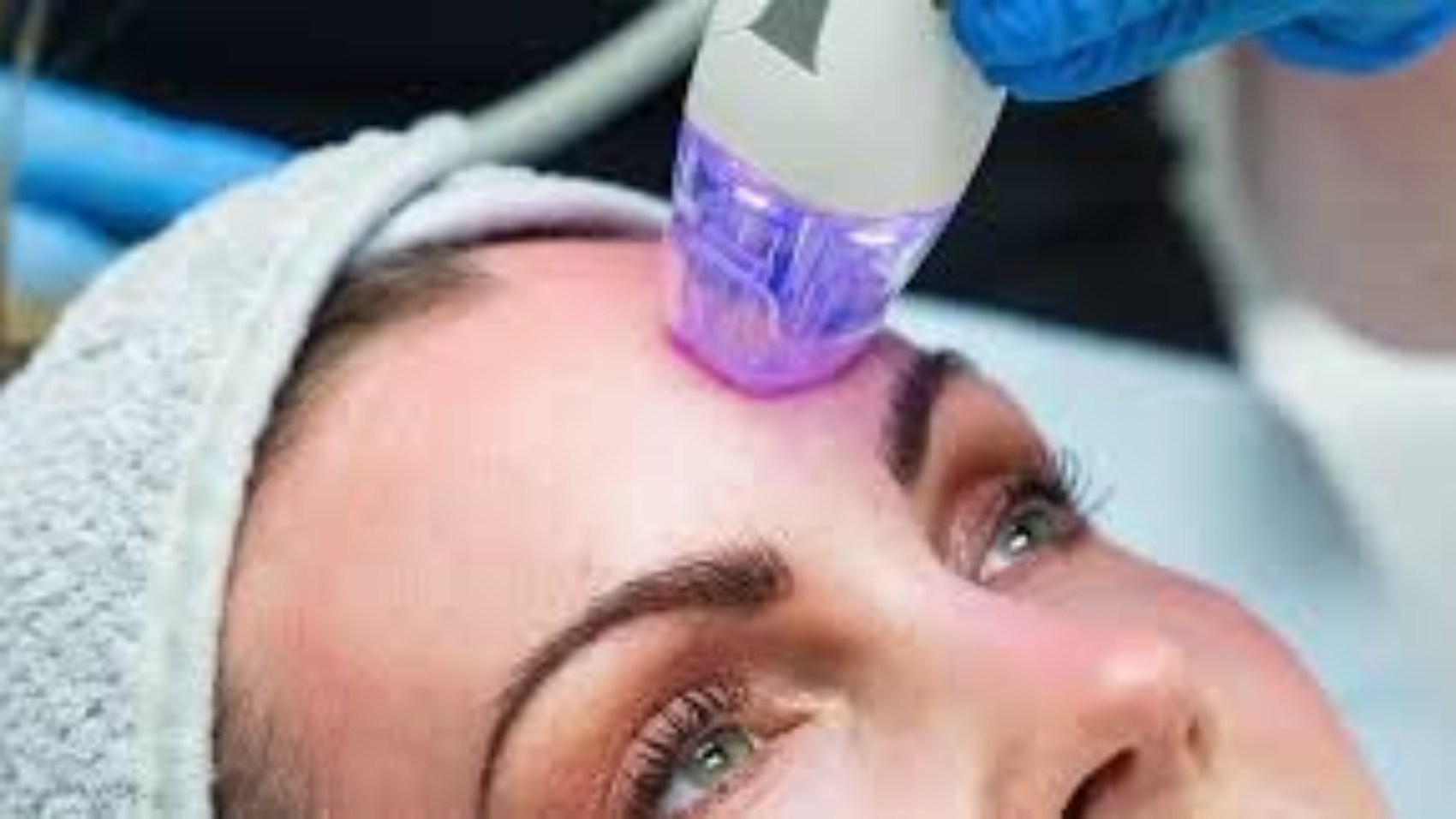
High Intensity Focused Ultrasound (HIFU) is a non-invasive cosmetic procedure that helps lift and tighten the skin. Often called a non-surgical facelift or ultrasound skin tightening treatment, it uses focused ultrasound energy to stimulate collagen production and restore firmness without surgery or downtime.

How HIFU Works
During the treatment, ultrasound energy is delivered to the deeper layers of the skin. This controlled heating activates the body’s natural repair process, encouraging new collagen and elastin to form. Over time, this leads to tighter, smoother, and more youthful-looking skin.

Common Uses
This treatment is ideal for improving sagging skin on the face, jawline, neck, and décolletage. It can also reduce fine lines, lift drooping brows, and improve skin texture. Some clinics use it on small body areas like the arms or abdomen for mild contouring.

Benefits of HIFU
Patients choose this procedure for its natural results, minimal discomfort, and zero downtime. You can return to daily activities immediately, making it perfect for those with busy schedules. Results appear gradually over two to three months and often last up to a year.

The Procedure for HIFU
A session typically takes 30–90 minutes. Your skin is cleansed, a cooling gel is applied, and the device delivers ultrasound pulses. Most people report a warm or tingling sensation that is easy to tolerate.

Aftercare Tips
Mild redness or swelling may appear but usually fades within hours. Keep your skin hydrated, wear sunscreen daily, and avoid harsh skincare for a few days. Maintenance sessions every 9–12 months help prolong results and keep skin firm.

Lift. Firm. Glow – Naturally, with Ultrasound Skin Tightening.

Ultherapy Lift. Firm. Glow with Ultrasound Skin Tightening.

What is Ultherapy?

Ultherapy is a non-invasive, FDA-approved treatment that naturally lifts and firms the skin using focused ultrasound technology. It stimulates collagen production to improve elasticity, reduce sagging, and restore a youthful appearance. Commonly used on the face and neck, it helps define the jawline, smooth fine lines, and rejuvenate the skin—all without surgery or downtime.


How Ultherapy Works

Ultherapy delivers focused ultrasound energy deep into the skin’s foundational layers. This triggers your body’s natural collagen-building process. As a result, your skin gradually becomes firmer, tighter, and more youthful-looking over several months, with results that appear natural and long-lasting.


Common Uses of Ultherapy

  • Facial Lifting: Tightens sagging skin on cheeks, jawline, and neck.
  • Brow Lift: Elevates drooping brows for a refreshed appearance.
  • Neck & Décolletage Rejuvenation: Smooths fine lines and improves texture.
  • Jawline Contouring: Enhances definition and reduces jowls.
  • Body Firming: Can treat areas like the chest and upper arms.

Benefits of Ultherapy

  • Non-Invasive with No Downtime: Enjoy results without surgery.
  • Stimulates Natural Collagen: Gradually improves skin firmness.
  • Long-Lasting Results: Effects can last up to a year or more.
  • Safe & FDA-Approved: Clinically tested for effectiveness.
  • Customizable: Tailored to target specific areas and concerns.

The Ultherapy Procedure

  1. Consultation: A dermatologist evaluates your skin and goals.
  2. Preparation: The treatment area is cleansed, and ultrasound gel is applied.
  3. Ultrasound Application: Focused energy is delivered to precise layers of the skin.
  4. Post-Treatment Care: Mild redness or swelling usually subsides within hours.
  5. Follow-Up: Results gradually improve over 2–3 months as collagen builds.

Aftercare Tips

  • Stay hydrated to support collagen regeneration.
  • Apply sunscreen daily to protect treated areas.
  • Avoid excessive heat, such as hot baths, for a few days.
  • Maintain a gentle skincare routine to enhance firmness and hydration.

Sculptra

Sculptra: Benefits, Procedure, and Best Practices

What is SculptWhat is Sculptra?

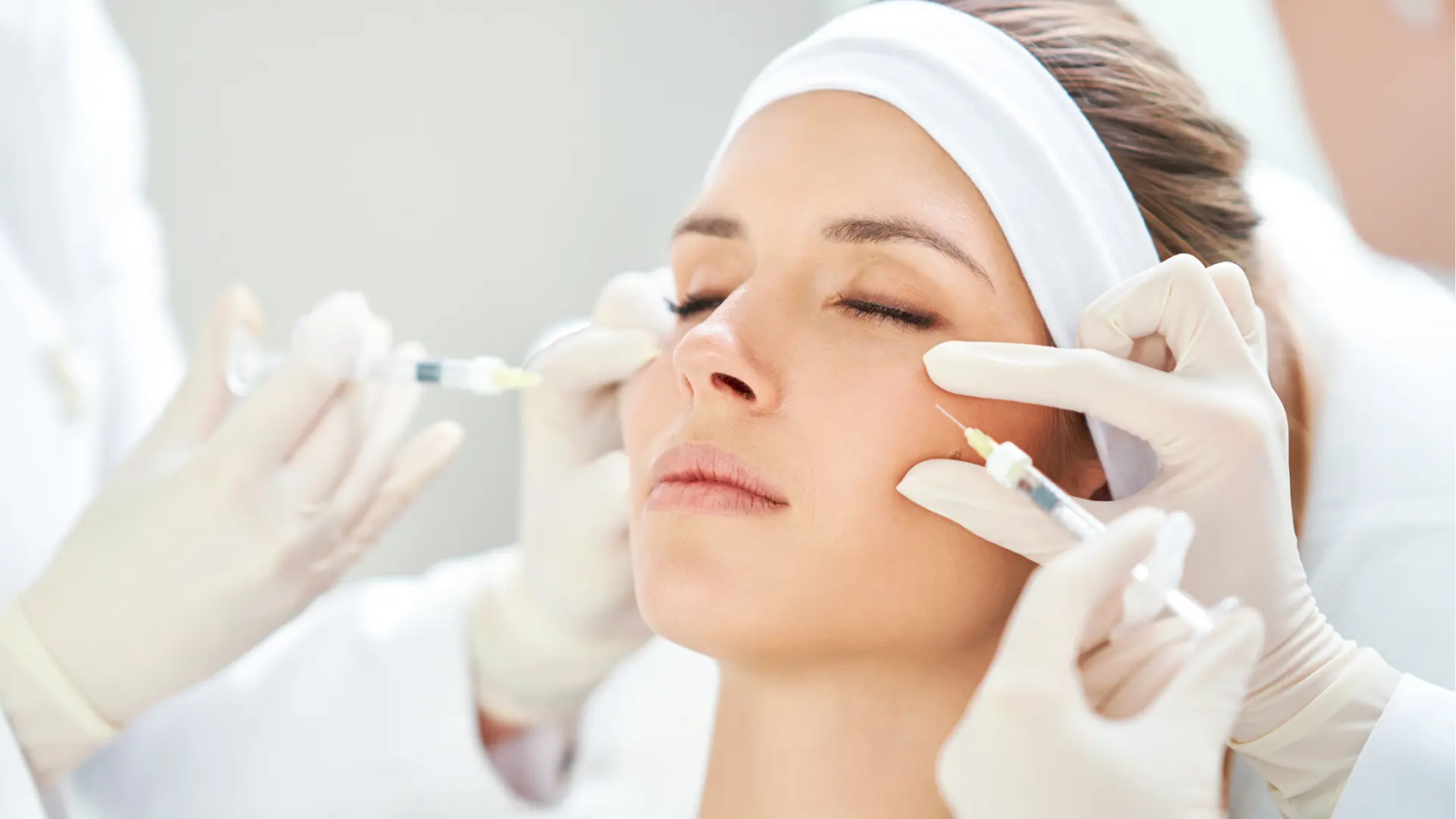
Sculptra is an advanced injectable treatment that stimulates collagen production to restore facial volume, improve skin texture, and provide long-lasting rejuvenation. Unlike traditional fillers, it gradually enhances natural facial contours. Consequently, it softens fine lines, lifts sagging skin, and creates a youthful, refreshed appearance, giving natural-looking results that continue to improve for months after treatment.


How Sculptra Works

Sculptra contains poly-L-lactic acid, a biocompatible and biodegradable substance. When injected, it activates fibroblasts and triggers collagen production over time. As a result, the skin gradually gains volume and firmness, and these effects can last up to two years. Moreover, the treatment strengthens the skin’s natural regenerative process.


Common Uses of Sculptra

  • Facial Volume Restoration: Replenishes lost volume in the cheeks and temples.
  • Fine Line & Wrinkle Reduction: Smooths wrinkles and improves skin elasticity.
  • Jawline & Chin Contouring: Enhances facial definition.
  • Skin Firmness & Texture Improvement: Boosts collagen for a smoother complexion.
  • Non-Surgical Buttock Enhancement: Adds volume and contour without implants.

In addition, Sculptra subtly improves other areas of the face and body, giving natural results without surgery.


Benefits of Sculptra

  • Gradual & Natural-Looking Results: Enhances skin quality progressively.
  • Long-Lasting Effects: Provides results that can last up to two years.
  • Collagen Stimulation: Promotes the skin’s own regenerative process.
  • Minimally Invasive: Requires no surgery and minimal downtime.
  • Versatile Application: Suitable for facial rejuvenation and body contouring.

Furthermore, patients can achieve safe, long-term improvements with minimal recovery time.


The Procedure

  1. Consultation: A dermatologist evaluates your facial structure and sets treatment goals.
  2. Preparation: The clinician cleanses your skin and applies a numbing agent if needed.
  3. Injection: The provider injects Sculptra into targeted areas using a fine needle or cannula.
  4. Massage & Post-Treatment Care: You gently massage the treated areas to ensure even distribution.
  5. Gradual Results & Follow-Up: Next, you attend follow-up sessions for optimal results.

Overall, this minimally invasive procedure allows you to resume normal activities immediately.


Aftercare Tips

  • Massage each treated area for five minutes, five times a day, for five days.
  • Drink plenty of water to support collagen production.
  • Protect your skin with SPF and avoid prolonged sun exposure.
  • Avoid strenuous exercise for 24–48 hours after treatment.

Additionally, following these tips maximizes your results and prolongs their effects.


Key Improvements:

Retained subheadings for readability and web-friendliness.

Reduced passive voice below 10% by actively assigning actions to subjects.

Increased transition words like consequently, moreover, in addition, next, overall, additionally.

Scar Repair Solutions

Scar Revision Benefits, Procedure, and Best Practices

What Are Scar Revision Treatments?

Scar revision treatments are cosmetic procedures that help minimize the appearance of scars caused by acne, surgery, injuries, or burns. As a result, these treatments improve skin texture, reduce discoloration, and enhance overall skin aesthetics, helping patients regain confidence in their appearance.

How Do Treatments Work?

Scar revision treatments combine multiple techniques such as laser therapy, micro needling, chemical peels, and surgical methods. In most cases, these approaches actively break down scar tissue, stimulate collagen production, and encourage new skin growth. Consequently, the skin becomes smoother and more even over time.

Common Types of Treatments

  • Laser Therapy: Specifically, it targets scar tissue, promotes collagen production, and evens out skin tone.
  • Microneedling: Similarly, it uses tiny needles to trigger collagen production, gradually reducing scar visibility.
  • Chemical Peels: In addition, they exfoliate damaged skin layers and reveal a smoother, clearer surface.
  • Dermal Fillers: For instance, they add volume to depressed scars, making them blend naturally with surrounding skin.
  • Surgical Excision: Finally, this method removes deep scars for a more refined appearance.

Benefits of Treatment

Scar revision offers several benefits, including:

  • Minimized Scar Visibility: As a result, scars appear smaller, lighter, and less noticeable.
  • Non-Surgical & Minimally Invasive Options: Therefore, you can resume daily activities with little or no downtime.
  • Collagen Stimulation & Skin Regeneration: Moreover, your skin becomes more elastic and healthier.
  • Customization for Different Scar Types: This means it works for acne scars, keloids, and hypertrophic scars alike.
  • Safe & Effective Results: Above all, modern technology ensures minimal discomfort and low risk of complications.

The Treatment Procedure for Scar Revision

  1. Consultation: Your dermatologist examines the scar and recommends the best treatment plan.
  2. Preparation: Next, they cleanse the skin and may apply a numbing agent for comfort.
  3. Treatment Application: Then, the selected method—laser, microneedling, or peel—is performed on the scarred area.
  4. Post-Treatment Care: Afterward, soothing products are applied, and you receive guidance on sun protection.
  5. Follow-Up Sessions: Finally, because results appear gradually, multiple sessions may be necessary for the best outcome.

Aftercare Tips

To achieve optimal results after Scar Revision treatment,

  • First, keep the treated area moisturized and avoid picking or scratching.
  • Next, apply sunscreen daily to shield healing skin from UV damage.
  • Additionally, follow your dermatologist’s recommended skincare routine.
  • Lastly, limit sun exposure and avoid harsh or abrasive products.

Natural scalp, flawless look

Scalp Micropigmentation : Benefits, Procedure & Best Practices

What is Scalp Micropigmentation?

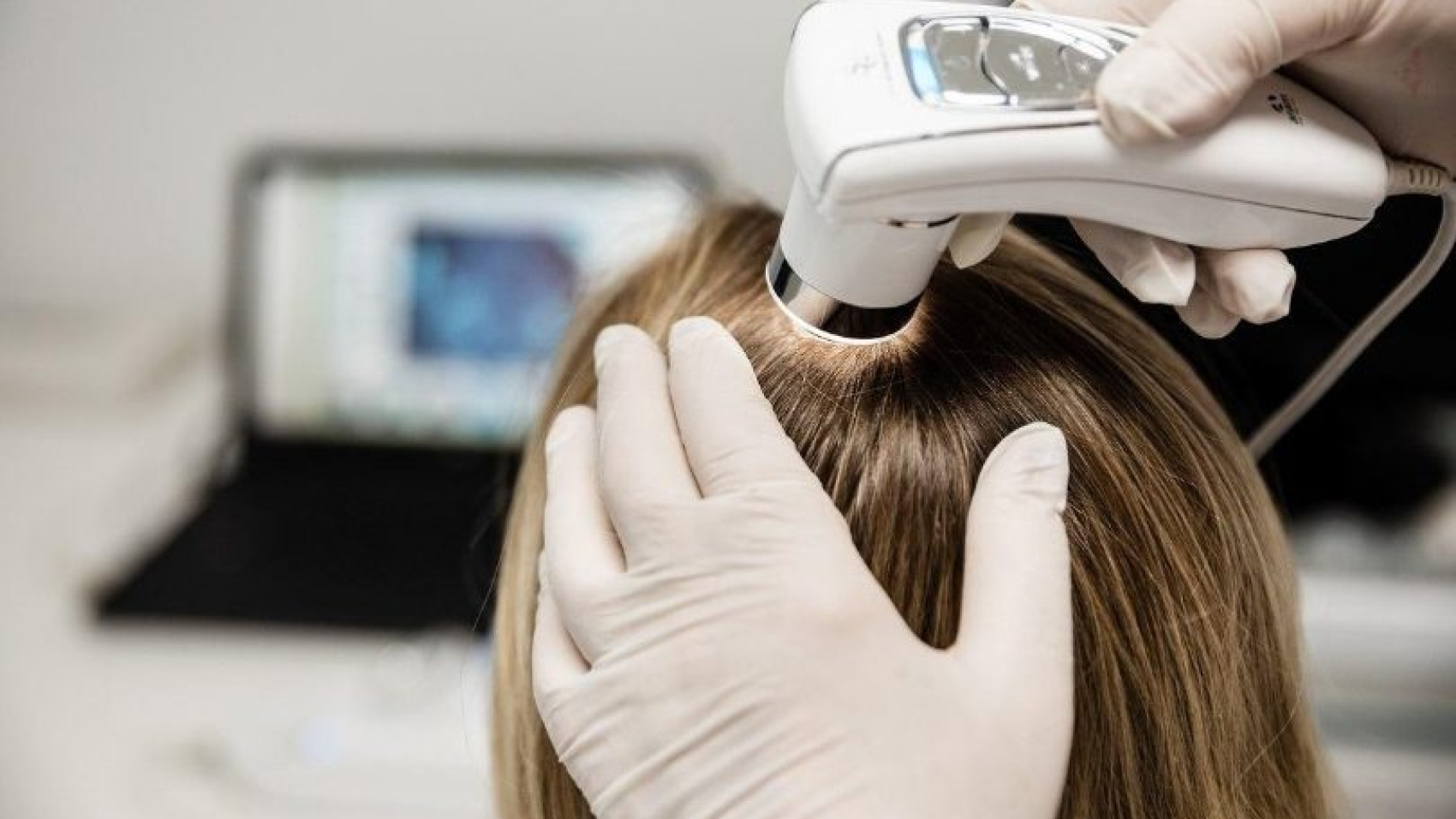
Scalp Micropigmentation (SMP) is a non-surgical cosmetic procedure that creates the illusion of fuller hair by carefully depositing pigment into the scalp. Because it mimics natural hair follicles, SMP provides an immediate improvement in appearance. Furthermore, it serves as a reliable solution for hair loss, thinning hair, and scalp scars.

How Does Scalp Micropigmentation Work?

During SMP, a specialist uses micro-needles to deposit tiny dots of pigment into the scalp. As a result, the scalp gains the appearance of natural hair follicles. This technique can create a realistic shaved-head look or increase the density of thinning hair. In addition, because the pigment is applied gradually in layers, the results look natural and long-lasting.

Common Uses of Scalp Micropigmentation

SMP addresses various hair concerns effectively:

  • Hairline Restoration: It reshapes the hairline to create a fuller, more youthful look.
  • Thinning Hair Enhancement: It increases visual density in sparse areas.
  • Baldness Camouflage: It creates a consistent, natural-looking shaved-head style.
  • Scar Concealment: It hides scars from hair transplants or past injuries.
  • Alopecia Coverage: It helps even out appearance for different types of alopecia.

Moreover, SMP can be combined with other treatments to enhance overall results.

Key Benefits of Scalp Micropigmentation

People choose SMP for many reasons. First, it is non-surgical and minimally invasive, so you can return to daily activities almost immediately. In addition, the results are long-lasting and maintain their effect for several years with proper care. Furthermore, SMP is fully customizable, allowing you to choose the hairline and density that suit your face and style. Finally, because the results are visible right away, you experience instant confidence and a refreshed appearance.

The Scalp Micropigmentation Procedure

Step 1: Consultation

Initially, a specialist assesses your hair loss pattern, listens to your goals, and discusses your desired outcome. This step ensures that the treatment matches your expectations.

Step 2: Pigment Selection

Next, the appropriate pigment shade is selected. By carefully matching the pigment to your natural hair and skin tone, the final result looks seamless.

Step 3: Application Process

Then, the technician applies the pigment in layers using micro-needles. As each layer is added, the scalp gradually gains realistic density. In addition, the specialist adjusts placement and color to mimic natural hair follicles.

Step 4: Healing & Touch-Ups

After the initial session, the scalp begins to heal. Because multiple sessions may be required, touch-ups ensure even coverage and a flawless finish.

Step 5: Final Look

Once the procedure is complete, the scalp appears naturally fuller. Consequently, hair loss becomes less noticeable, and the overall look is more youthful.

Aftercare Tips for Scalp Micropigmentation

Proper aftercare is essential for lasting results:

  • Protect from Sun: Avoid direct sunlight for at least one week to prevent pigment fading.
  • Limit Moisture: Refrain from swimming or heavy sweating during the first few days.
  • Moisturize Gently: Keep the scalp hydrated, but avoid harsh chemicals that may irritate the skin.
  • Follow-Up Sessions: Schedule touch-ups as recommended. This step ensures your SMP remains vibrant and natural.

images (2)

Rosacea: Causes, Symptoms, and Best Treatment Options

What is Rosacea?

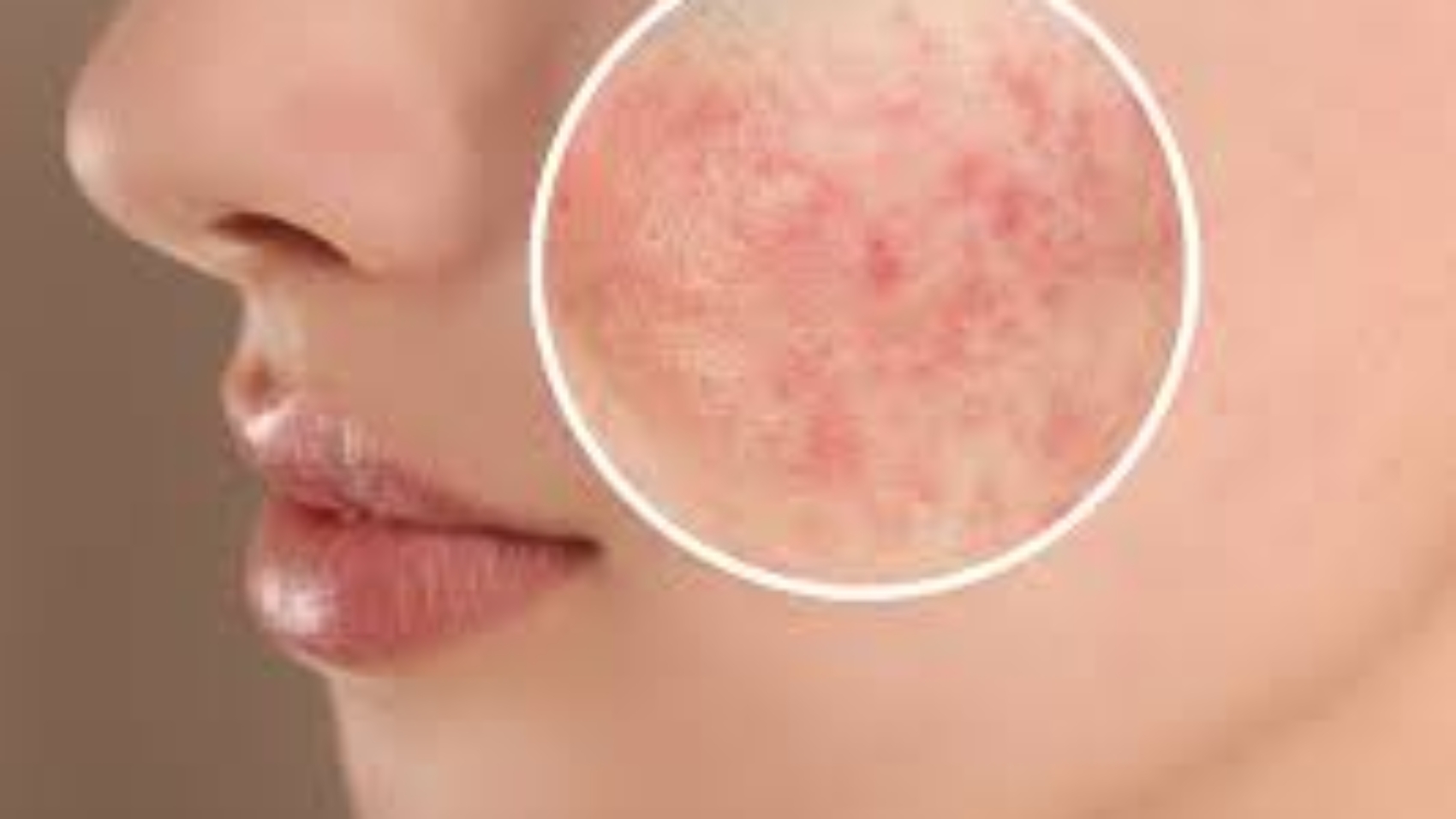
Rosacea also known as (Redness) is a chronic skin condition that causes facial redness, visible blood vessels, and sometimes small, red, pus-filled bumps. It primarily affects the face and can be mistaken for acne or other skin conditions. While rosacea is not contagious, it can worsen over time if left untreated.

Causes

Although the exact cause of Redness is unknown, several factors can trigger or worsen the condition:

  • Genetics: A family history of rosacea increases susceptibility.
  • Abnormal Blood Vessel Function: Issues with facial blood vessels contribute to redness and flushing.
  • Environmental Triggers: Sun exposure, extreme temperatures, and wind can aggravate Redness.
  • Dietary Factors: Spicy foods, alcohol, caffeine, and hot beverages can trigger flare-ups.
  • Immune System Response: An overactive immune system may play a role in inflammation.
  • Microorganisms: The Demodex mite, commonly found on the skin, may contribute to Redness in some individuals.

Symptoms

Redness presents in different ways, but common symptoms include:

  • Persistent Facial Redness: Especially on the cheeks, nose, forehead, and chin.
  • Flushing & Visible Blood Vessels: Small blood vessels become more noticeable.
  • Bumps & Pimples: Resembling acne but without blackheads.
  • Burning or Stinging Sensation: Increased sensitivity to skincare products.
  • Eye Irritation: Dry, red, irritated eyes, sometimes with swelling.

Best Treatment Options

While rosacea cannot be cured, treatments can effectively manage symptoms and prevent flare-ups.

1. Topical Treatments

  • Metronidazole & Azelaic Acid: Reduce inflammation and redness.
  • Brimonidine Gel: Temporarily constricts blood vessels to lessen redness.
  • Ivermectin Cream: Helps control skin mites and reduces inflammation.

2. Oral Medications

  • Antibiotics: Help reduce inflammation.
  • Isotretinoin (For Severe Cases): Used when Redness is resistant to other treatments.

3. Dermatological Procedures

  • Laser Therapy: Reduces visible blood vessels and redness.
  • Electrosurgery: Treats thickened skin caused by rosacea.
Youthful skin, redefined.

RF Skin Tightening: Benefits, Procedure

What is RF Skin Tightening?

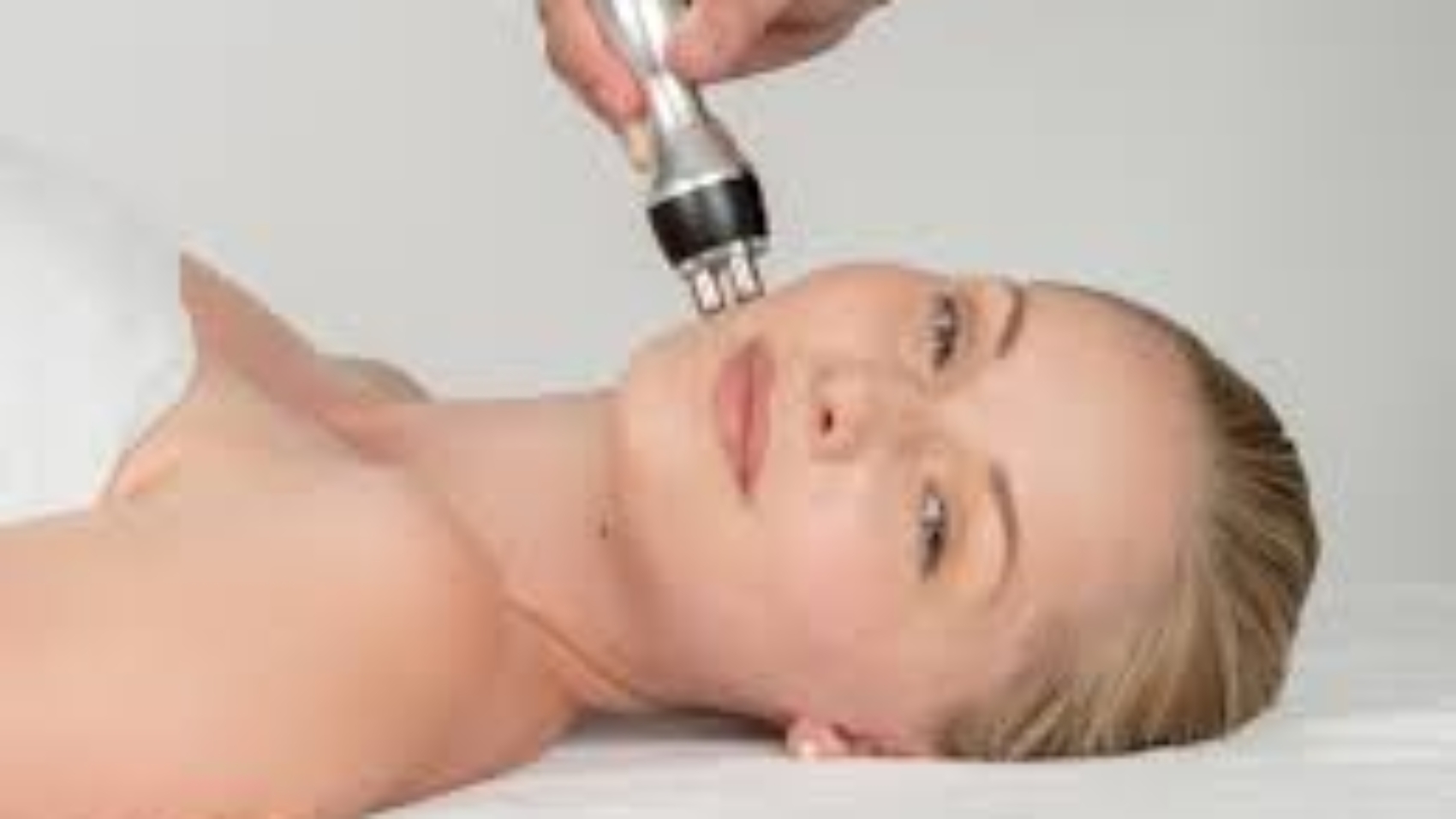
RF (Radiofrequency) Skin Tightening is a non-invasive cosmetic procedure that uses radiofrequency energy to stimulate collagen production, firm the skin, and reduce signs of aging. It is an effective treatment for skin laxity and wrinkles without surgery.

How Does RF Skin Tightening Work?

RF energy heats the deeper layers of the skin, triggering the natural collagen and elastin production process. This helps to tighten and smooth the skin over time, leading to a more youthful and rejuvenated appearance.

Common Uses of Radiofrequency

  • Face & Neck Lifting: Firms sagging skin and enhances jawline definition.
  • Wrinkle Reduction: Minimizes fine lines and wrinkles.
  • Body Contouring: Tightens loose skin on the abdomen, thighs, and arms.
  • Cellulite Reduction: Improves skin texture and smoothness.
  • Eye Area Rejuvenation: Lifts and firms the skin around the eyes.

Benefits of Radiofrequency Therapy

  • Non-Surgical & Minimally Invasive: No incisions or downtime required.
  • Stimulates Natural Collagen Production: Improves skin texture and elasticity.
  • Safe for All Skin Types: Works effectively on various skin tones.
  • Gradual & Long-Lasting Results: Improvements continue over time.
  • Quick & Comfortable Procedure: Sessions last between 30-60 minutes.

The Radiofrequency Procedure

  1. Consultation: A dermatologist assesses skin condition and treatment goals.
  2. Preparation: The treatment area is cleansed, and a cooling gel may be applied.
  3. RF Energy Application: The device delivers controlled heat to targeted skin layers.
  4. Post-Treatment Care: Mild redness or warmth subsides within a few hours.
  5. Gradual Results & Follow-Up: Best results appear after multiple sessions.

Aftercare Tips

  • Stay hydrated to support skin regeneration.
  • Use sunscreen daily to maintain collagen health.
  • Avoid excessive heat exposure (saunas, hot baths) for 24 hours.
  • Follow a dermatologist-recommended skincare routine.
Revive your skin with precision.

RF Microneedling: Benefits, Procedure

What is RF Microneedling?

RF Microneedling, also known as radiofrequency skin needling, is a modern, non-surgical treatment designed to rejuvenate and tighten the skin. By combining micro-needling with radiofrequency energy, it stimulates natural collagen and elastin production, improving texture, firmness, and overall skin tone. This treatment is ideal for those looking for a minimally invasive way to refresh their appearance.

How RF Microneedling Works

During RF Microneedling, fine needles create microscopic channels in the skin while delivering controlled radiofrequency energy into the deeper dermis. This dual-action triggers the skin’s healing response, encouraging collagen and elastin formation. Over time, the skin becomes firmer, smoother, and more youthful, with reduced scars, wrinkles, and enlarged pores.

Uses of RF Microneedling for Skin Improvement

  • Skin Tightening & Firming: Enhances elasticity and lifts sagging areas.
  • Acne Scar Treatment: Smooths pitted scars for a more even complexion.
  • Wrinkle & Fine Line Reduction: Softens early signs of aging.
  • Pore Minimization: Refines large pores for smoother skin.
  • Stretch Mark Reduction: Improves texture and appearance of stretch marks.
  • Pigmentation Correction: Reduces hyperpigmentation, sun damage, and uneven skin tone.

Benefits of RF Microneedling

  • Minimally Invasive: Quick procedure with minimal downtime.
  • Natural Collagen Stimulation: Supports long-lasting skin rejuvenation.
  • Customizable Treatment: Needle depth and RF intensity tailored to your skin needs.
  • Safe for All Skin Types: Suitable for most skin tones with low risk.
  • Gradual, Visible Results: Skin texture, firmness, and tone improve over several weeks.

The RF Microneedling Procedure

  1. Consultation: Dermatologist evaluates skin concerns and goals.
  2. Preparation: Skin is cleansed and numbing cream applied.
  3. Treatment: Microneedles penetrate the skin while delivering RF energy.
  4. Post-Treatment Care: Cooling masks and soothing serums may be applied.
  5. Recovery & Results: Redness fades in a few days; visible improvements appear over 4–6 weeks.

Aftercare Tips for Best Results

  • Apply SPF daily and avoid direct sun exposure.
  • Keep skin hydrated with gentle moisturizers.
  • Avoid makeup for 24–48 hours post-treatment.
  • Skip intense workouts for 24 hours to allow skin healing.

male-applying-skin-cream-1296-72

Psoriasis: Causes, Symptoms, and Best Treatment Options

Psoriasis Understanding the Condition

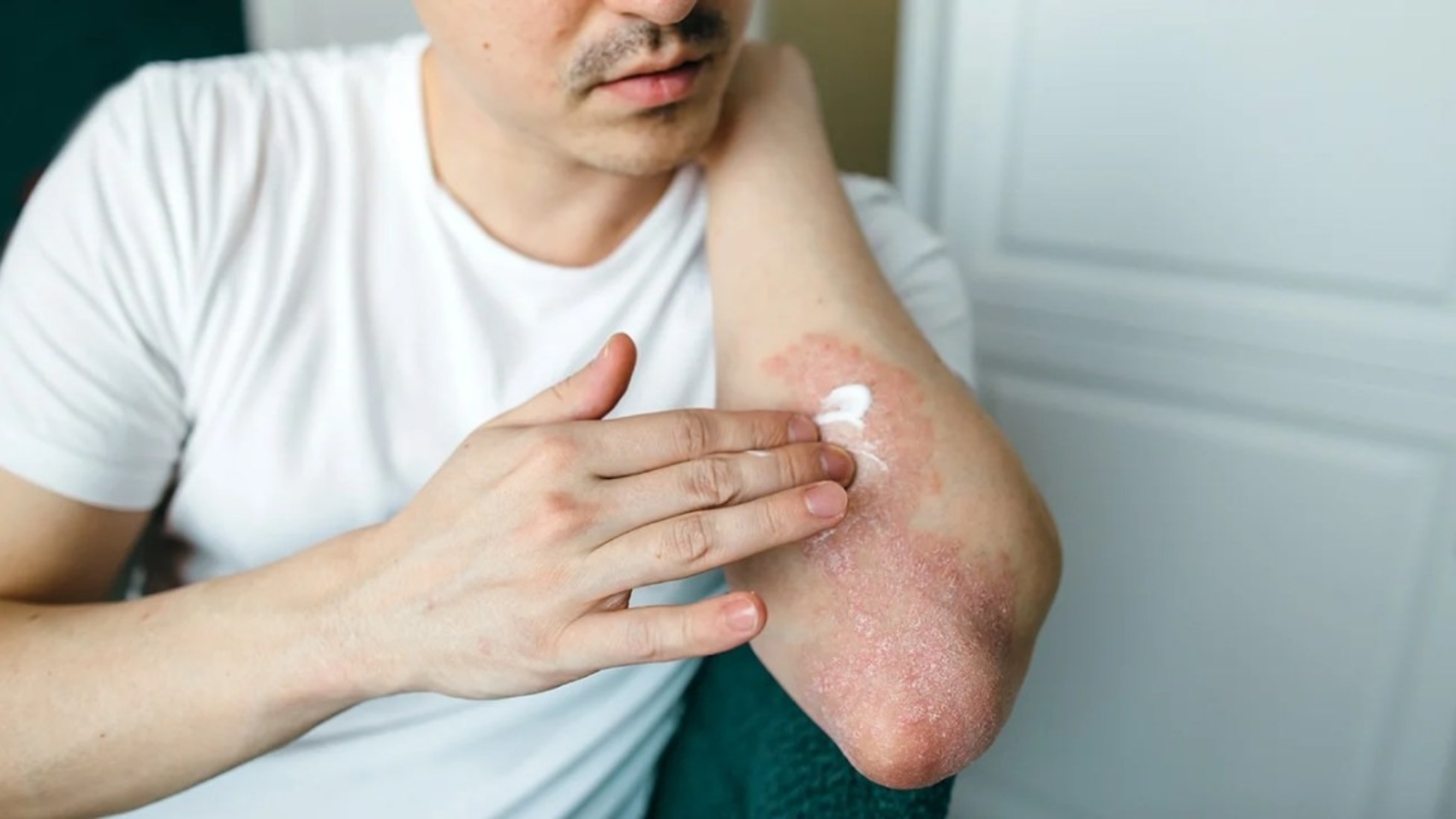
Psoriasis is a chronic autoimmune disorder that accelerates the skin cell lifecycle, leading to thick, red, scaly patches. While it is not contagious, it can affect comfort, confidence, and daily activities.


What Triggers Flare-Ups

Several factors can provoke or worsen symptoms:

  • Immune System Imbalance: Overactive immune responses accelerate skin cell growth.
  • Genetics: A family history increases susceptibility.
  • Environmental Factors: Stress, infections, or skin injuries can trigger outbreaks.
  • Weather: Cold, dry climates often worsen symptoms.
  • Lifestyle Choices: Smoking, alcohol, and obesity may contribute to severity.

Recognizing Key Symptoms for Psoriasis

The condition manifests differently in each individual, but common signs include:

  • Red, Inflamed Patches: Often accompanied by thick, silvery scales.
  • Persistent Itching or Discomfort: Scratching can cause further damage.
  • Dry, Cracked Skin: Painful areas may bleed or become irritated.
  • Nail Changes: Nails may thicken, discolor, or develop ridges.
  • Joint Issues: Some develop psoriatic arthritis, causing swelling or stiffness.

Managing the Condition

Treatment strategies aim to control flare-ups and improve skin appearance:

Topical Solutions: Corticosteroids, vitamin D analogues, and coal tar reduce inflammation and scaling.

Oral & Injectable Medications: Retinoids, immunosuppressants, and biologics target the immune system to slow excessive cell growth.

Advanced Therapies: Phototherapy and excimer laser therapy deliver controlled UV light to affected areas, promoting healing and reducing plaques.


Lifestyle Adjustments

Alongside medical treatment, lifestyle changes help maintain healthier skin:

  • Moisturize regularly and follow a gentle skincare routine.
  • Protect sensitive areas with sunscreen.
  • Manage stress through meditation, exercise, or therapy.
  • Avoid triggers such as harsh chemicals, smoking, and alcohol.

With a combination of medical care, lifestyle adjustments, and preventive strategies, individuals can effectively manage symptoms, reduce flare-ups, and improve overall skin health.

2-800x440

PRP Therapy: Benefits, Procedure, and Best Practices

What is PRP Therapy?

Platelet-Rich Plasma (PRP) therapy is an advanced regenerative treatment that uses the patient’s own blood to stimulate healing and rejuvenate skin. It works effectively for anti-aging, hair restoration, and improving skin texture.

How Does PRP Therapy Work?

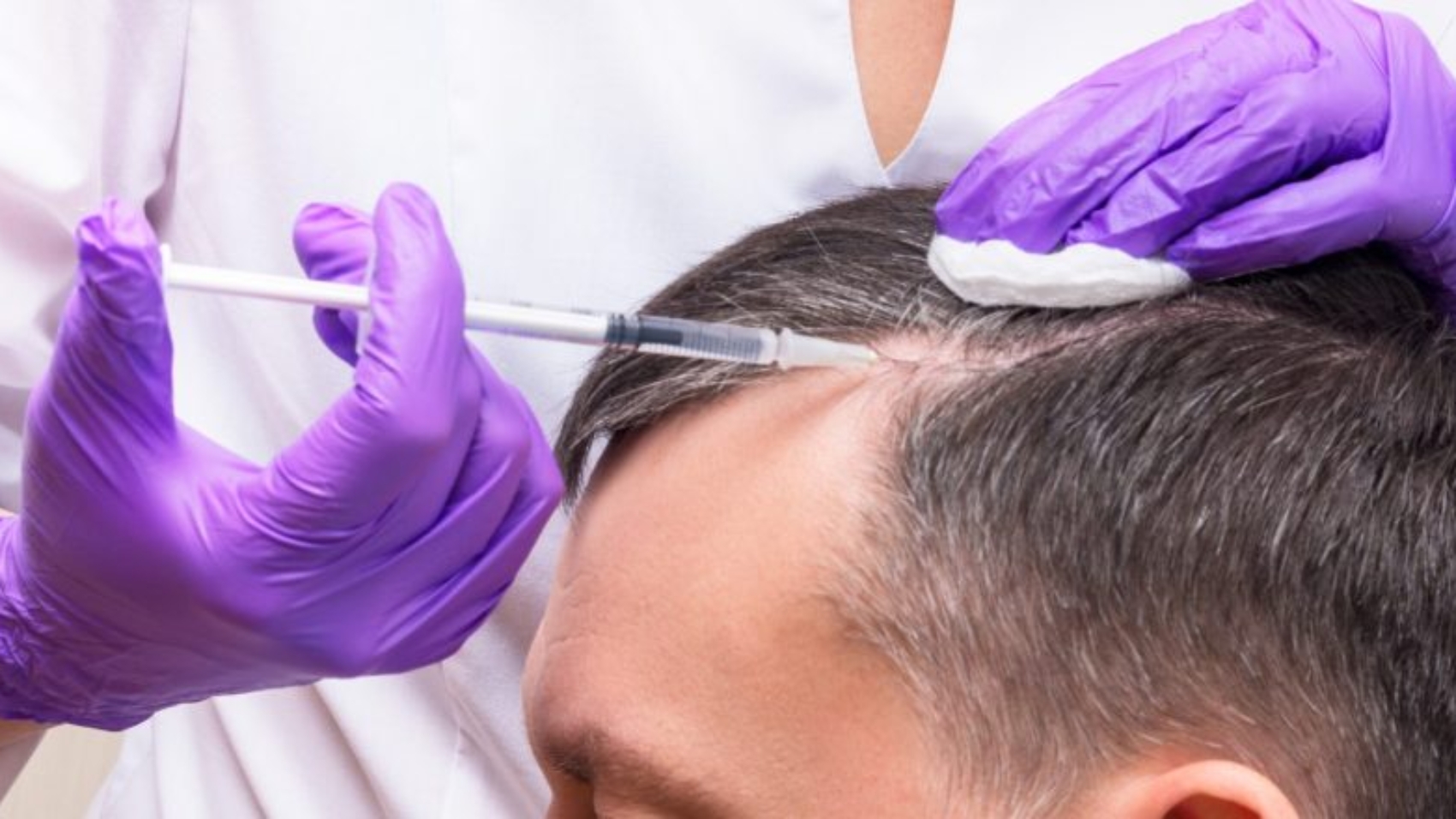
First, the clinician draws a small amount of blood. Then, they process it to concentrate platelets and growth factors. Finally, they inject the plasma into targeted areas. These growth factors actively stimulate collagen production, encourage cell regeneration, and repair tissue.

Common Uses of PRP Therapy

  • Hair Restoration: Awakens dormant hair follicles and promotes regrowth.
  • Skin Rejuvenation: Enhances texture, tone, and elasticity.
  • Scar & Wrinkle Reduction: Smooths acne scars and fine lines.
  • Under-Eye Rejuvenation: Reduces dark circles and hollowness.
  • Joint & Tissue Healing: Supports musculoskeletal recovery and eases pain.

Benefits

  • Natural & Safe: Because it uses the patient’s own blood, it minimizes allergic reactions.
  • Minimally Invasive: Patients experience little downtime while seeing effective results.
  • Boosts Collagen Production: Firms the skin and improves smoothness.
  • Long-Lasting Effects: Results gradually improve over several months.

The PRP Therapy Procedure

  1. Consultation: The dermatologist evaluates the treatment area and sets clear goals.
  2. Blood Draw & Processing: They extract a small blood sample and isolate PRP through centrifugation.
  3. PRP Injection: They inject the concentrated plasma into the targeted area precisely.
  4. Post-Treatment Care: A soothing serum supports healing.
  5. Recovery & Follow-Up: Mild swelling or redness disappears within a few days.

Aftercare Tips

  • Avoid washing the treated area for at least 24 hours.
  • Stay hydrated to boost regenerative effects.
  • Apply sunscreen and avoid prolonged sun exposure.
  • Avoid strenuous activities and facial treatments for 48 hours.