AdobeStock_profhilo

Profhilo: Benefits, Procedure, and Best Practices

What is Profhilo?
Profhilo is an innovative injectable skin treatment that deeply hydrates, improves elasticity, and stimulates collagen production. Unlike traditional dermal fillers, Profhilo spreads beneath the skin, providing overall rejuvenation without adding excessive volume. It works gradually to restore youthful firmness, smooth fine lines, and improve skin texture, leaving a natural, radiant glow. Suitable for the face, neck, décolletage, and hands, Profhilo offers a safe, minimally invasive solution for long-lasting skin revitalization and overall skin health.

How Does it Work?
Profhilo contains highly concentrated hyaluronic acid. When injected into specific points, it disperses evenly and activates fibroblasts, which then increase collagen and elastin production. Consequently, the skin becomes firmer, more hydrated, and revitalized over time.

Common Uses

  • Skin Hydration: Intensely moisturizes and plumps the skin.
  • Skin Tightening: Reduces sagging and improves laxity.
  • Fine Line & Wrinkle Reduction: Softens aging signs without changing facial structure.
  • Neck & Décolletage Rejuvenation: Enhances skin quality in delicate areas.
  • Hand Rejuvenation: Restores youthful texture and elasticity.

Benefits of Profhilo

  • Non-Surgical & Minimally Invasive: Achieves results without surgery or downtime.
  • Bio-Stimulating Formula: Promotes natural skin regeneration.
  • Long-Lasting Hydration: Maintains deep moisture for up to six months.
  • Natural-Looking Results: Improves skin quality without adding volume.
  • Fast & Effective: Typically requires only two sessions for optimal results.

The Procedure

  1. Consultation: A dermatologist evaluates skin condition and defines treatment goals.
  2. Preparation: The skin is cleansed, and a numbing cream may be applied for comfort.
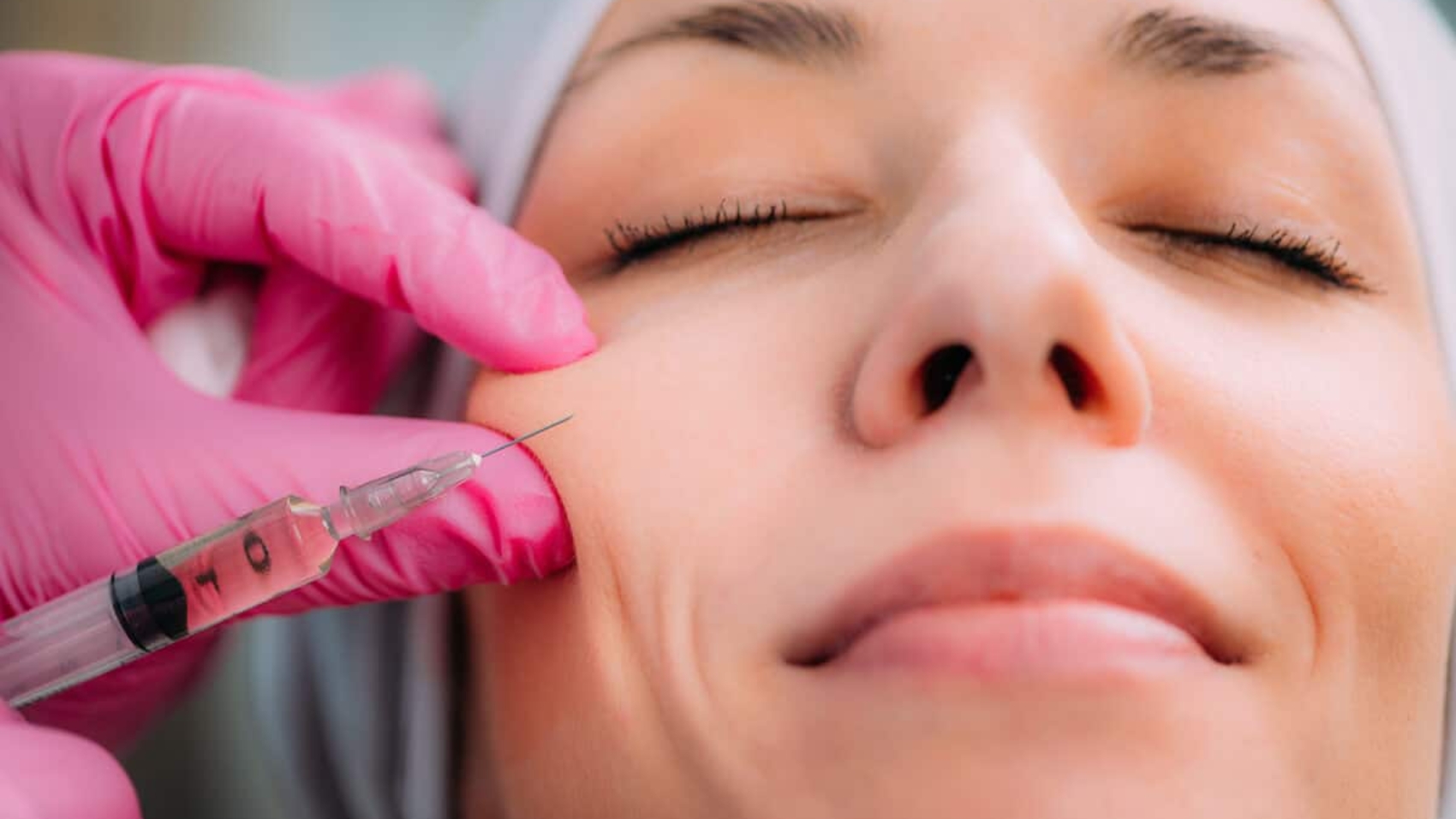
  3. Injection Process: It is injected in small amounts at strategic points.
  4. Post-Treatment Care: Minimal swelling or redness usually subsides quickly.
  5. Results & Follow-Up: Best results appear after two sessions, spaced four weeks apart.

Aftercare Tips

  • Avoid touching or massaging treated areas to prevent irritation.
  • Stay hydrated to support optimal results.
  • Minimize sun exposure and apply SPF daily.
  • Refrain from strenuous exercise for 24 hours after treatment.
16._shutterstock_2080362577 (1)

Microneedling: Benefits, Procedure, and Best Practices

What is Microneedling?

Microneedling is a minimally invasive skin rejuvenation procedure that stimulates collagen production by creating tiny punctures in the skin using fine needles. As a result, it enhances skin texture, reduces scars, and promotes a youthful glow.

How Does Microneedling Work?

Microneedling works by triggering the skin’s natural healing response through controlled micro-injuries. Consequently, collagen and elastin production increases, which improves skin firmness, texture, and overall appearance.

Common Uses

  • Acne Scar Reduction: Helps minimize the appearance of acne scars.
  • Fine Lines & Wrinkle Reduction: Stimulates collagen to smooth out signs of aging.
  • Hyperpigmentation & Sun Damage: Evens out skin tone and reduces discoloration.
  • Stretch Marks Treatment: Improves skin elasticity and reduces stretch marks.
  • Pore Size Reduction: Tightens pores for a smoother complexion.
  • Hair Growth Stimulation: Encourages hair follicle regeneration during scalp treatments.

Benefits of Microneedling

  • Boosts Collagen & Elastin: Strengthens skin structure so that it looks more youthful.
  • Minimally Invasive & Safe: Requires little to no downtime while delivering natural results.
  • Enhances Product Absorption: Improves the penetration of skincare products.
  • Customizable for Various Skin Concerns: Suitable for different skin types and conditions.

The Microneedling Procedure

  1. Consultation: A dermatologist evaluates your skin concerns and goals.
  2. Preparation: The skin is cleansed, and numbing cream is applied.
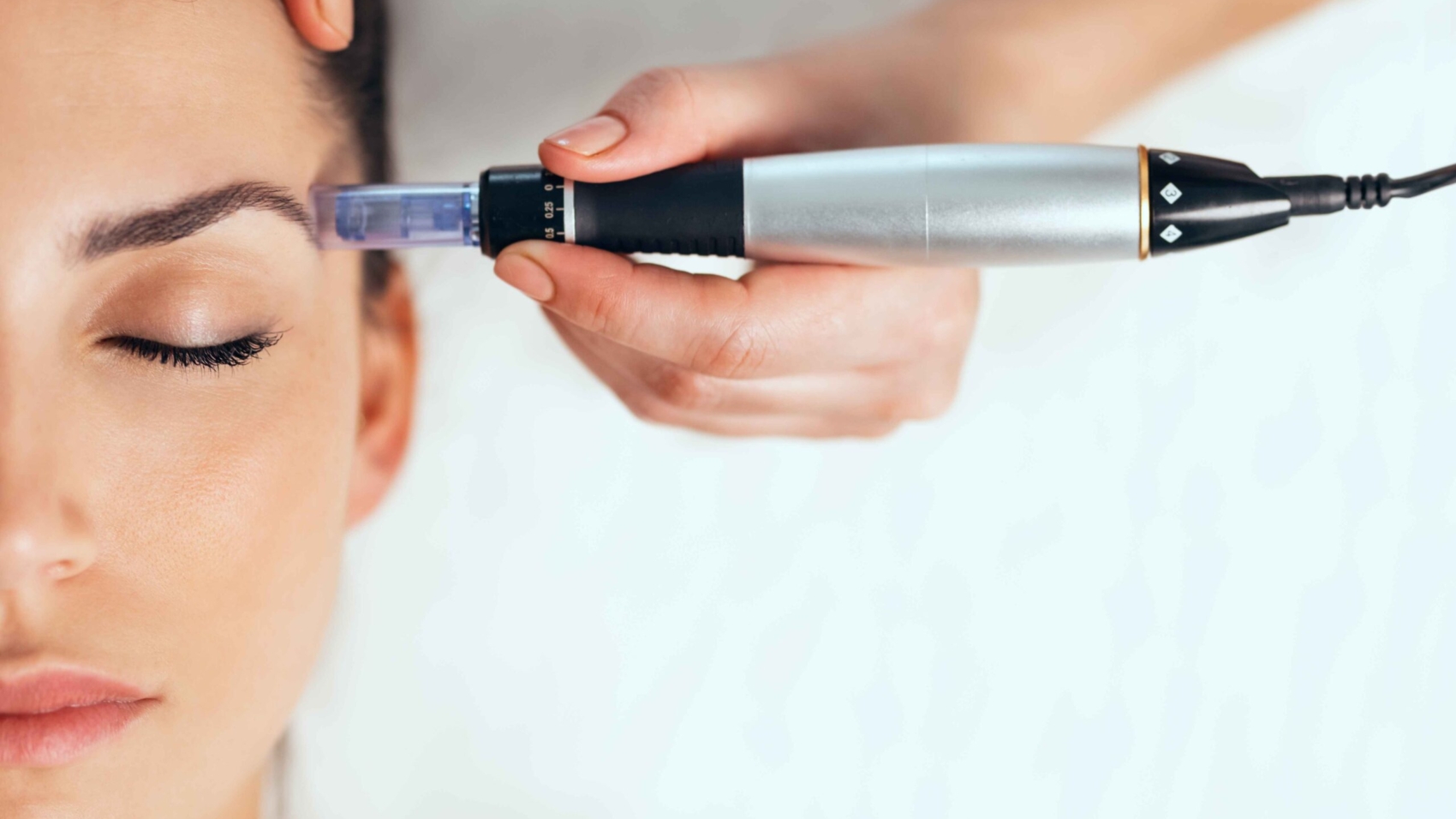
  3. Microneedling Treatment: A device with fine needles creates controlled micro-punctures.
  4. Post-Treatment Care: Hydrating serums and calming agents are applied immediately.
  5. Recovery & Follow-Up: Redness usually subsides within a few days, and results improve gradually over time.

Aftercare Tips for Microneedling

  • Avoid makeup and harsh skincare products for at least 24 hours.
  • Keep your skin moisturized and hydrated to enhance healing.
  • Apply sunscreen and avoid direct sun exposure.
  • Follow a dermatologist-recommended skincare routine for optimal results.

images

Microdermabrasion: Benefits, Procedure, and Best Practices

What is Microdermabrasion?

Microdermabrasion is a non-invasive skin exfoliation treatment that removes dead skin cells, revealing smoother and more radiant skin. Moreover, it improves skin texture, tone, and overall appearance, leaving your complexion refreshed and vibrant.

How Does Microdermabrasion Work?

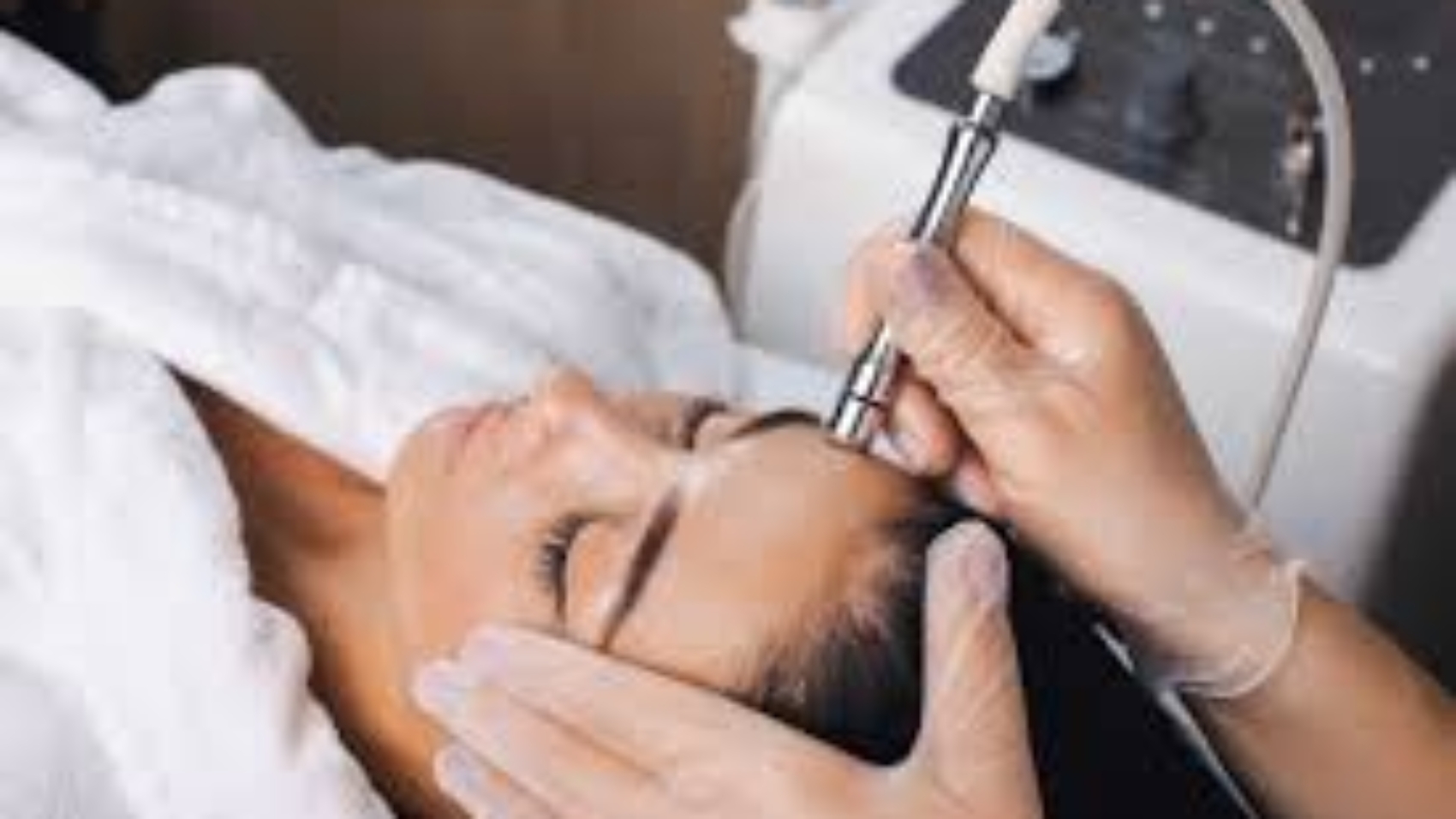
The treatment uses a handheld device with fine crystals or a diamond tip to gently exfoliate the outer layer of the skin. As a result, collagen production increases, and cell renewal accelerates, which ultimately reveals fresher, healthier skin. Additionally, the process stimulates circulation, enhancing overall skin vitality.

Common Uses of Microdermabrasion

  • Skin Brightening: Enhances radiance and reduces dullness.
  • Fine Line & Wrinkle Reduction: Softens early signs of aging.
  • Acne Scar Improvement: Fades mild acne scars and blemishes.
  • Clogged Pore & Blackhead Removal: Unclogs pores and prevents breakouts.
  • Hyperpigmentation Reduction: Lightens dark spots and sun damage.

Benefits of Microdermabrasion

  • Non-Invasive & Painless: You can resume daily activities immediately.
  • Safe for Most Skin Types: It works effectively for a variety of skin concerns.
  • Enhances Skincare Absorption: Prepares your skin for better penetration of active ingredients.
  • Quick Procedure: Each session lasts only 30–45 minutes.
  • Boosts Collagen & Elasticity: Improves firmness and overall skin texture.

The Microdermabrasion Procedure

  1. Consultation: Your dermatologist evaluates your skin type and concerns.
  2. Cleansing: We thoroughly cleanse your skin to remove impurities and excess oil.
  3. Exfoliation Process: The device gently removes dead skin cells while stimulating renewal.
  4. Hydration & Soothing: We apply a calming mask or hydrating serum to restore moisture.
  5. Post-Treatment Care: We finish by applying sunscreen and moisturizer to protect your skin.

Aftercare Tips for Microdermabrasion

  • Always avoid direct sun exposure and apply sunscreen daily.
  • Keep your skin hydrated with gentle moisturizers.
  • Refrain from using harsh exfoliants or active ingredients for at least 48 hours.
  • Avoid touching or picking at your skin after treatment to prevent irritation.

Mesotherapy-Treatment-Before-and-After-Transformations-Explained-scaled

Mesotherapy: Benefits, Procedure, and Best Practices

What is Mesotherapy?

Mesotherapy is a non-surgical cosmetic treatment that uses micro-injections of vitamins, enzymes, hormones, and plant extracts to rejuvenate and tighten the skin. Consequently, it effectively addresses skin hydration, stubborn fat, and hair thinning.

How Does Mesotherapy Work?

Mesotherapy delivers a customized cocktail of nutrients directly into the mesoderm, the middle layer of the skin. This process stimulates cell activity, boosts collagen production, and improves blood circulation. Therefore, your skin becomes firmer, brighter, and more youthful over time.

Common Uses of Mesotherapy

  • Skin Rejuvenation: Hydrates, firms, and enhances overall skin texture.
  • Fat Reduction: Targets stubborn fat deposits in areas such as the chin, abdomen, and thighs.
  • Hair Restoration: Stimulates hair follicles and encourages thicker hair growth.
  • Pigmentation Correction: Reduces melasma and sun damage.
  • Cellulite Reduction: Breaks down fat cells while improving skin elasticity.

Benefits of Mesotherapy

  • Non-Surgical & Minimally Invasive: You can avoid surgery and extensive downtime.
  • Customizable Treatment: Specialists tailor formulas to your individual skin and hair needs.
  • Stimulates Collagen & Elastin Production: Enhances your skin’s natural glow.
  • Boosts Hydration: Delivers deep, long-lasting skin hydration.
  • Targets Multiple Concerns Simultaneously: Treats wrinkles, pigmentation, and hair loss together.

The Mesotherapy Procedure

  1. Consultation: First, a dermatologist evaluates your skin or hair concerns and defines treatment goals.
  2. Preparation: Next, the area is cleansed, and a numbing cream may be applied for comfort.
  3. Injection Process: Then, a fine needle delivers the nutrient-rich formula into your skin or scalp.
  4. Post-Treatment Care: Afterward, cooling agents or serums may soothe the treated area.
  5. Recovery & Follow-Up: Finally, minimal downtime is required, and improvements appear over multiple sessions.

Aftercare Tips for Mesotherapy

  • Avoid washing the treated area for at least 12 hours.
  • Stay well-hydrated to maximize results.
  • Protect your skin from direct sunlight and apply sunscreen regularly.
  • Refrain from intense physical activity for 24–48 hours.
Melasma-treatment-at-Lucid

Melasma: Causes, Symptoms, and Best Treatment Options

What is Melasma?

Melasma also known as (Hyperpigmentation) is a common skin condition that leads to the development of dark, discolored patches on the face, often affecting the cheeks, forehead, nose, and upper lip. It is not harmful but can be a cosmetic concern, especially for individuals with darker skin tones. The condition is more prevalent in women and often linked to hormonal fluctuations.

Causes of

Melasma results from a combination of internal and external factors:

  • Hormonal Changes: Pregnancy, birth control pills, and hormone therapy can trigger Hyperpigmentation.
  • Sun Exposure: Ultraviolet (UV) radiation stimulates excessive melanin production, worsening discoloration.
  • Genetics: A family history of Hyperpigmentation increases the likelihood of developing the condition.
  • Skin Irritants: Certain skincare products and treatments can exacerbate pigmentation changes.

Symptoms of

Hyperpigmentation manifests as:

  • Brown or Grayish Patches: Typically appears on sun-exposed facial areas.
  • Symmetrical Pigmentation: Often occurs evenly on both sides of the face.
  • Sensitivity to Sunlight: Worsens with increased UV exposure.

Best Treatment Options for Melasma

While melasma can be stubborn, several effective treatments help lighten pigmentation and prevent its progression.

1. Oral Medications

  • Tranexamic Acid: Helps reduce excessive pigmentation by inhibiting melanin production.
  • Antioxidants (Vitamin C, Glutathione): Support skin brightening and reduce oxidative stress.
  • Folic Acid Supplements: Beneficial for individuals whose Hyperpigmentation is linked to vitamin deficiencies.

2. Topical Treatments

  • Hydroquinone: A skin-lightening agent that reduces dark spots.
  • Tretinoin & Corticosteroids: Promote cell turnover and improve skin tone.
  • Azelaic Acid & Kojic Acid: Natural alternatives to fade pigmentation.

3. Dermatological Procedures

  • Chemical Peels: Aid in exfoliating the skin and reducing pigmentation.
  • Microdermabrasion: Helps improve skin texture by removing the outermost layer.
  • Laser Therapy: Targets excess pigmentation and promotes an even skin tone.
Laser-Tattoo-Removal-7ca26eb2

Laser Tattoo Removal: Benefits, Procedure, and Best Practices

What is Laser Tattoo Removal?

Laser Tattoo Removal is a non-invasive procedure that uses high-intensity laser energy to break down tattoo ink particles in the skin. Over time, the body naturally eliminates these fragments, making this method both safe and effective for removing unwanted tattoos.


How Does Laser Tattoo Removal Work?

The process begins when the laser emits pulses of light that target the tattoo pigment. The ink absorbs this energy, causing it to fragment into smaller particles. Gradually, the lymphatic system flushes out these particles, which leads to the fading and eventual removal of the tattoo.


Common Uses

Laser Tattoo Removal serves various purposes, including:

  • Complete Tattoo Removal: Eliminates tattoos of all sizes and colors.
  • Fading for Cover-Ups: Lightens tattoos in preparation for new designs.
  • Correction of Tattoo Mistakes: Targets specific areas of unwanted tattoos.
  • Safe for Various Skin Types: Advanced lasers accommodate different skin tones.

Benefits of Laser Tattoo Removal

This treatment offers several advantages:

  • Non-Invasive & Safe: No incisions or surgical procedures.
  • Precise & Effective: Targets ink particles while preserving surrounding skin.
  • Customizable Treatment: Laser settings adjust based on tattoo size, color, and depth.
  • Minimal Downtime: Quick sessions with little to no recovery time.
  • Gradual & Natural Fading: Allows the skin to heal between sessions.

The Removal Procedure

The treatment typically follows these steps:

  1. Consultation: A specialist evaluates your tattoo and sets the optimal laser parameters.
  2. Preparation: The area is cleansed, and a numbing cream may be applied.
  3. Laser Application: Pulses of energy break down the ink particles.
  4. Cooling & Protection: A cooling agent minimizes discomfort.
  5. Recovery & Follow-Up: Multiple sessions may be required for complete removal.

Aftercare Tips

To ensure smooth healing and effective results:

  • Keep the treated area clean and moisturized.
  • Avoid direct sun exposure; apply sunscreen regularly.
  • Refrain from picking or scratching the healing skin.
  • Stay hydrated to support skin regeneration.
  • Follow all dermatologist instructions carefully.

Depositphotos_210597674_L

HydraFacial: Benefits, Procedure, and Best Practices

What is a HydraFacial?

HydraFacial is a non-invasive skin treatment that deeply cleanses, exfoliates, hydrates, and rejuvenates the skin using a multi-step process. This facial is suitable for all skin types and effectively addresses a variety of skin concerns, leaving the skin refreshed and glowing.

How Does HydraFacial Work?

The Hydrafacial treatment involves a three-step process:

  1. Cleansing & Exfoliation: Removes dead skin cells and impurities.
  2. Extraction & Hydration: Uses a painless suction method to clear clogged pores while infusing the skin with hydrating serums.
  3. Fusion & Protection: Delivers antioxidants, peptides, and moisture to protect and nourish the skin.

Common Uses of Hydrafacial

  • Deep Cleansing: Eliminates dirt, oil, and impurities from the skin.
  • Hydration Boost: Infuses the skin with moisture-rich serums.
  • Fine Line & Wrinkle Reduction: Improves skin texture and elasticity.
  • Brightening & Even Skin Tone: Helps with hyperpigmentation and dullness.
  • Acne & Pore Cleansing: Unclogs pores and prevents breakouts.

Benefits of Hydrafacial

  • Non-Invasive & Gentle: Suitable for all skin types with no downtime.
  • Instant & Long-Lasting Glow: Provides immediate skin radiance.
  • Customizable for Different Skin Needs: Adjustable serums for targeted concerns.
  • Painless & Relaxing: Comfortable treatment with no irritation.
  • Enhances Skincare Absorption: Prepares skin for better absorption of active ingredients.

The Hydrafacial Procedure

  1. Consultation: A skin assessment to tailor the treatment to individual needs.
  2. Cleansing & Exfoliation: Removes dead skin cells and preps the skin.
  3. Extraction & Hydration: Uses suction technology to clear pores while delivering hydration.
  4. Serum Infusion: Antioxidants, peptides, and hyaluronic acid are applied.
  5. Post-Treatment Care: Sunscreen and soothing agents may be applied to protect the skin.

Aftercare Tips for Hydrafacial

  • Avoid makeup for at least 24 hours post-treatment.
  • Stay hydrated to maintain skin moisture levels.
  • Use a gentle skincare routine and avoid harsh exfoliants.
  • Apply sunscreen daily to protect and prolong results.
1968441

Hair PRP Therapy: Benefits, Procedure, and Best Practices

Understanding Hair PRP Therapy

Hair PRP (Platelet-Rich Plasma) Therapy is a natural, non-surgical treatment that strengthens hair follicles and stimulates hair growth using the patient’s own blood-derived growth factors. As a result, it helps combat thinning hair, androgenetic alopecia, and weak strands. Many patients choose this therapy because it provides safe, long-lasting results without surgery.

How PRP Treatment for Hair Works

First, the doctor draws a small amount of blood from the patient. Then, they process it in a centrifuge to concentrate platelets and growth factors. After that, the PRP is injected directly into the scalp. This process actively awakens dormant hair follicles, improves circulation, and promotes new hair growth over time. Consequently, regular sessions gradually increase hair density and thickness.

Who Can Benefit from Platelet-Rich Plasma Therapy

This treatment suits various hair concerns:

  • Hair Loss Prevention: Strengthens existing hair while slowing thinning.
  • Pattern Baldness Treatment: Targets male and female androgenetic alopecia effectively.
  • Post-Hair Transplant Support: Enhances healing and encourages regrowth.
  • Weak Hair Restoration: Improves density, thickness, and overall hair quality.

Advantages of PRP for Hair Growth

  • Natural & Safe: Because it uses the patient’s own growth factors, results are effective and safe.
  • Minimally Invasive: The procedure is quick, and patients can resume daily activities immediately.
  • Stronger Follicles: Reduces hair shedding and improves texture.
  • Enhanced Scalp Health: Boosts circulation and revitalizes follicles.
  • Works with Other Treatments: You can combine it with medications or topical therapies for better outcomes.

The Procedure Step by Step

  1. Consultation: The dermatologist evaluates hair concerns and sets goals.
  2. Blood Processing: They collect the blood and centrifuge it to extract PRP.
  3. Scalp Application: The doctor injects PRP into targeted areas.
  4. Post-Treatment Care: Patients usually resume normal activities immediately.
  5. Follow-Up: Most patients notice improvements after several sessions.

Aftercare Recommendations

  • Avoid washing the scalp for at least 24 hours.
  • Stay hydrated and maintain a balanced diet.
  • Limit sun exposure on treated areas.
  • Avoid harsh hair products for a few days.

Suggested Image Alt Text:

  • “PRP treatment for hair growth procedure”
  • “Before and after results of PRP for hair”
  • “Platelet-Rich Plasma therapy for hair restoration”

medworld-clinic-Glutathione-IV-Therapy

Glutathione IV Therapy: Benefits, Procedure, and Best Practices

What is Glutathione IV Therapy?

Glutathione IV Therapy, also called intravenous glutathione infusion, is a skin-brightening and detoxification treatment that delivers glutathione directly into the bloodstream for maximum absorption. It helps reduce hyperpigmentation, improve skin radiance, and supports overall health by combating oxidative stress.

How Does Glutathione IV Therapy Work?

Glutathione is a potent antioxidant that neutralizes free radicals, detoxifies the body, and inhibits excess melanin production. Administering it via IV glutathione treatment ensures faster and more effective absorption compared to oral supplements, making it a preferred choice for those seeking visible skin and wellness improvements.

Common Uses of Glutathione Infusions

  • Skin Brightening: Helps achieve a radiant and even complexion.
  • Hyperpigmentation & Melasma Reduction: Lightens dark spots and evens skin tone.
  • Anti-Aging Benefits: Reduces oxidative stress to prevent premature aging.
  • Detoxification: Supports liver function and overall body cleansing.
  • Immune Support: Strengthens natural defenses and promotes wellness.

Benefits of IV Glutathione Therapy

  • Fast Absorption & High Efficacy: Delivers glutathione directly to the bloodstream.
  • Safe & Non-Invasive: No downtime or recovery required.
  • Long-Lasting Skin Benefits: Improvements become more noticeable with regular sessions.
  • Overall Health Support: Boosts energy levels and enhances detoxification.
  • Synergistic Effects: Works well with vitamin C infusions and other skin treatments.

The Glutathione Infusion Procedure

  1. Consultation: A dermatologist evaluates your skin goals and health status.
  2. Preparation: IV line is set up comfortably.
  3. Infusion: Glutathione solution is slowly administered.
  4. Relaxation Period: Sessions last 30–60 minutes.
  5. Post-Treatment Care: Staying hydrated and maintaining a healthy lifestyle enhances results.

Aftercare Tips for Glutathione IV Therapy

  • Drink plenty of water to support detoxification.
  • Maintain a diet rich in antioxidants.
  • Apply sunscreen daily to protect your skin.
  • Avoid smoking and limit alcohol consumption.

Image Alt Suggestions:

  • “Glutathione IV infusion for skin brightening”
  • “Patient receiving intravenous glutathione therapy”
  • “Glutathione antioxidant treatment benefits”
Fungal-infections

Fungal Infections: Causes, Symptoms, and Best Treatment Options

What Are Fungal Infections?

Fungal infections, also called mycotic infections, are common skin, nail, and scalp conditions caused by fungi that thrive in warm, moist environments. They can cause discomfort, persistent symptoms, and sometimes affect overall skin health. Early treatment is important to prevent spreading.

Causes of Fungal Infections

Fungal infections develop when fungal spores come into contact with the skin or nails. Common contributing factors include:

  • Warm & Moist Conditions: Sweat and humidity encourage fungal growth.
  • Weakened Immune System: Individuals with compromised immunity are more susceptible.
  • Poor Hygiene: Infrequent washing or wearing damp clothing increases risk.
  • Direct Contact: Touching infected surfaces or people can spread infection.
  • Antibiotic Use: Prolonged antibiotics can disrupt the natural balance of microorganisms.

Symptoms of Fungal Infections

Symptoms vary depending on the type of infection but may include:

  • Red, Itchy, or Scaly Skin: Often in skin folds, between toes, or on the scalp.
  • Blisters or Cracked Skin: Seen in athlete’s foot or ringworm.
  • Discolored or Brittle Nails: A common sign of fungal nail infections.
  • Flaky or Peeling Skin: Common in infections like tinea pedis.

Treatment Options

1. Oral Medications

  • Fluconazole & Itraconazole: Treat systemic and persistent infections.
  • Terbinafine: Effective for nail and severe skin cases.
  • Griseofulvin: Often prescribed for scalp and nail infections.

2. Topical Treatments

  • Antifungal Creams & Ointments: Clotrimazole, miconazole, and terbinafine for mild infections.
  • Medicated Powders & Sprays: Help keep areas dry and limit fungal growth.
  • Antifungal Shampoos: Treat scalp infections like tinea capitis.

3. Dermatological Procedures

  • Laser Therapy for Nails: Helps eliminate stubborn infections.
  • Debridement of Infected Nails: Promotes healthy nail regrowth.

Prevention Tips

  • Keep skin and nails clean and dry.
  • Avoid sharing towels, shoes, or nail tools.
  • Wear breathable shoes and moisture-wicking socks.
  • Maintain a balanced diet to support immunity.