chemcialpeel

Chemical Peels: Benefits, Procedure, and Best Practices

Chemical Peel: Skin Renewal and Rejuvenation

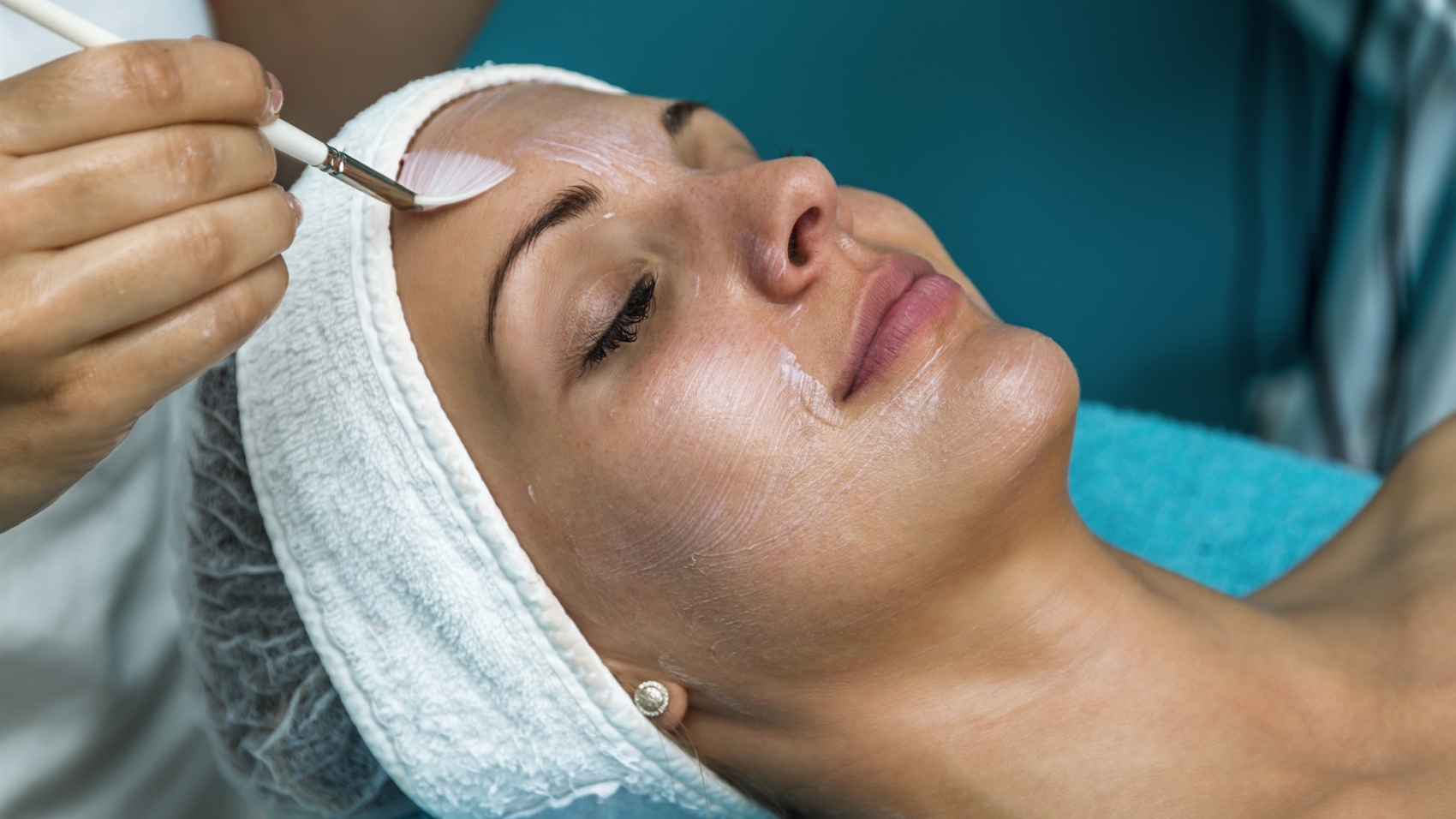
Chemical peels actively exfoliates the outer layer of your skin, removes dead cells, and stimulates regeneration. Additionally, it improves texture and promotes a radiant complexion. As a result, your skin becomes smoother, more even-toned, and visibly refreshed.

How a Chemical Peel Works

Chemical peels contain acids such as glycolic, salicylic, lactic, or trichloroacetic acid (TCA). These acids actively dissolve damaged skin layers and accelerate cell turnover. Consequently, dull or uneven skin is replaced with a healthier layer. Moreover, chemical peels stimulate collagen production, which enhances firmness and elasticity.

Types of Chemical Peels

  • Superficial Chemical Peel: Mild acids gently refresh the skin.
  • Medium Chemical Peel: Penetrate deeper layers to reduce pigmentation and fine lines.
  • Deep Chemical Peel: Treat severe wrinkles, scars, and sun damage using stronger solutions.

Common Uses of a Chemical Peel

A chemical peel effectively improves:

  • Acne: Reduces breakouts and unclogs pores.
  • Hyperpigmentation & Melasma: Brightens skin and evens tone.
  • Fine Lines & Wrinkles: Stimulates collagen for youthful skin.
  • Scars: Minimizes acne scars and blemishes.
  • Overall Texture & Radiance: Enhances smoothness and glow.

Benefits of a Chemical Peel

  • Non-Invasive Skin Renewal: Treats skin concerns without surgery.
  • Customizable Strengths: Suitable for various skin types.
  • Collagen Boost: Improves firmness and elasticity.
  • Quick Procedure & Minimal Downtime: Recovery depends on peel depth.
  • Enhances Skincare Absorption: Prepares skin for better results from active ingredients.

The Chemical Peel Procedure

First, a dermatologist examines your skin and selects the appropriate chemical peel. Next, the skin is cleansed, and protective measures are applied. Then, the peel solution is applied evenly for a set duration. Finally, the peel is neutralized and removed, and soothing agents and sunscreen protect your skin.

Aftercare Tips

  • Avoid direct sun exposure and apply high-SPF sunscreen.
  • Keep skin moisturized and avoid harsh products.
  • Expect mild peeling or redness depending on the peel’s strength.
  • Do not pick or exfoliate peeling skin to prevent damage.

shutterstock_1768941050-1

Cellulite Reduction Treatments: Benefits, Procedure, and Best Practices

What are Cellulite Reduction Treatments?

Cellulite Reduction Treatments: Smooth, Firm, and Rejuvenate Your Skin

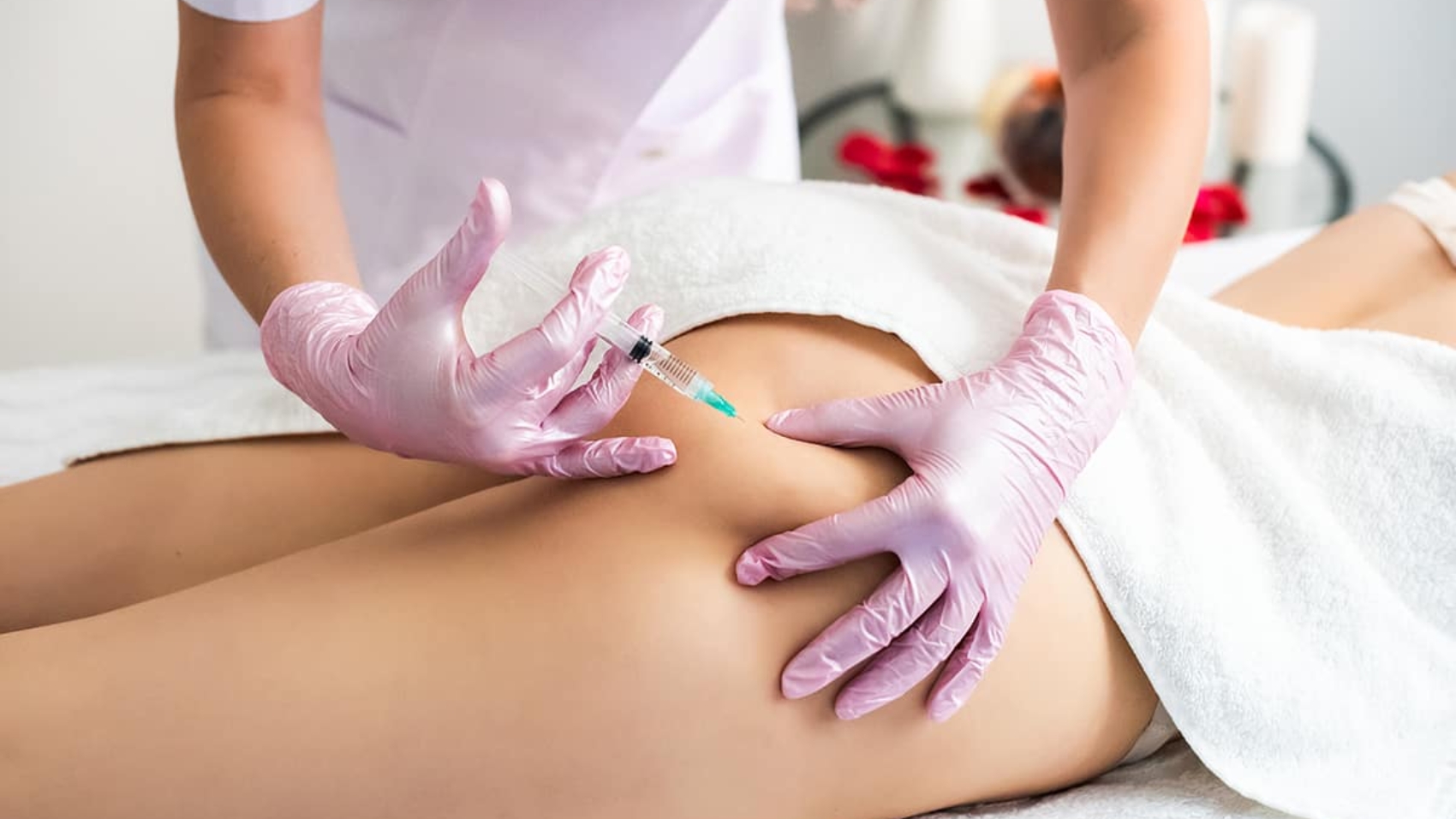
Cellulite reduction treatments are non-invasive and minimally invasive procedures designed to smooth dimpled skin caused by fat deposits beneath the surface. Moreover, these treatments, also known as cellulite therapy, improve skin texture and elasticity by targeting fat cells, connective tissue, and collagen production.


How Cellulite Reduction Treatments Improve Skin

Cellulite treatments work through various technologies such as radiofrequency, laser therapy, massage techniques, or injectable solutions. By doing so, they break down fat deposits, increase circulation, and stimulate collagen production. Consequently, your skin becomes firmer, smoother, and more toned.


  • Radiofrequency Therapy: Uses heat energy to stimulate collagen and tighten the skin. As a result, it reduces the appearance of cellulite.
  • Laser Therapy: Breaks down fat cells while improving skin elasticity. Additionally, it promotes smoother skin texture.
  • Acoustic Wave Therapy: Applies vibrations to disrupt fat deposits and improve circulation.
  • Injectable Treatments: FDA-approved solutions dissolve fat and firm the skin. Therefore, they provide targeted results.
  • Vacuum-Assisted Massage: Enhances lymphatic drainage and reduces fluid retention. Consequently, your skin looks more toned.

Benefits of Cellulite Reduction Treatments

  1. Non-Surgical & Minimally Invasive: Requires little to no downtime. Hence, you can resume daily activities immediately.
  2. Improves Skin Elasticity: Tightens sagging skin and smooths dimples.
  3. Boosts Circulation & Lymphatic Drainage: Enhances detoxification and reduces fluid buildup. In addition, it supports overall skin health.
  4. Long-Lasting Results: With proper care, cellulite reduction treatments can provide effects lasting months to years.
  5. Safe for Various Body Areas: Effective on thighs, buttocks, arms, and abdomen. Therefore, multiple areas can be treated at once.

The Cellulite Reduction Treatment Procedure

  • Consultation: A dermatologist evaluates your skin and recommends a personalized cellulite therapy plan.
  • Preparation: The area is cleansed, and a cooling gel may be applied.
  • Application of Therapy: Depending on the chosen method, laser, RF, massage, or injectables are used. During this step, you may feel mild warmth or pressure.
  • Post-Treatment Care: Mild redness or swelling usually subsides within a few hours.
  • Results & Follow-Up: Multiple sessions may be required. Subsequently, your skin appears smoother and firmer.

Aftercare Tips for Cellulite Therapy

  • Maintain a healthy diet and exercise routine to prevent new fat deposits.
  • Stay hydrated to support skin elasticity and circulation. Additionally, it helps your body flush out toxins.
  • Use firming creams or serums as recommended by your dermatologist.
  • Avoid excessive sun exposure and always apply sunscreen on treated areas.

When to Consult a Dermatologist for Cellulite Reduction

Always seek a trained professional to perform cellulite reduction treatments for optimal results. For instance, Dr. Safia Bithy offers customized therapies tailored to your skin and body needs.

hollywood-carbon-peel-dermanence-zuerich-02

Carbon Laser Peel (Hollywood Peel): Benefits, Procedure, and Best Practices

What is a Carbon Laser Peel?

A Carbon Laser Peel is a non-invasive skin rejuvenation treatment. Specifically, it deeply cleanses, exfoliates, and brightens the skin using a specialized carbon lotion combined with laser technology. As a result, this treatment removes impurities, reduces pigmentation, and improves overall skin tone.

How Does it Work?

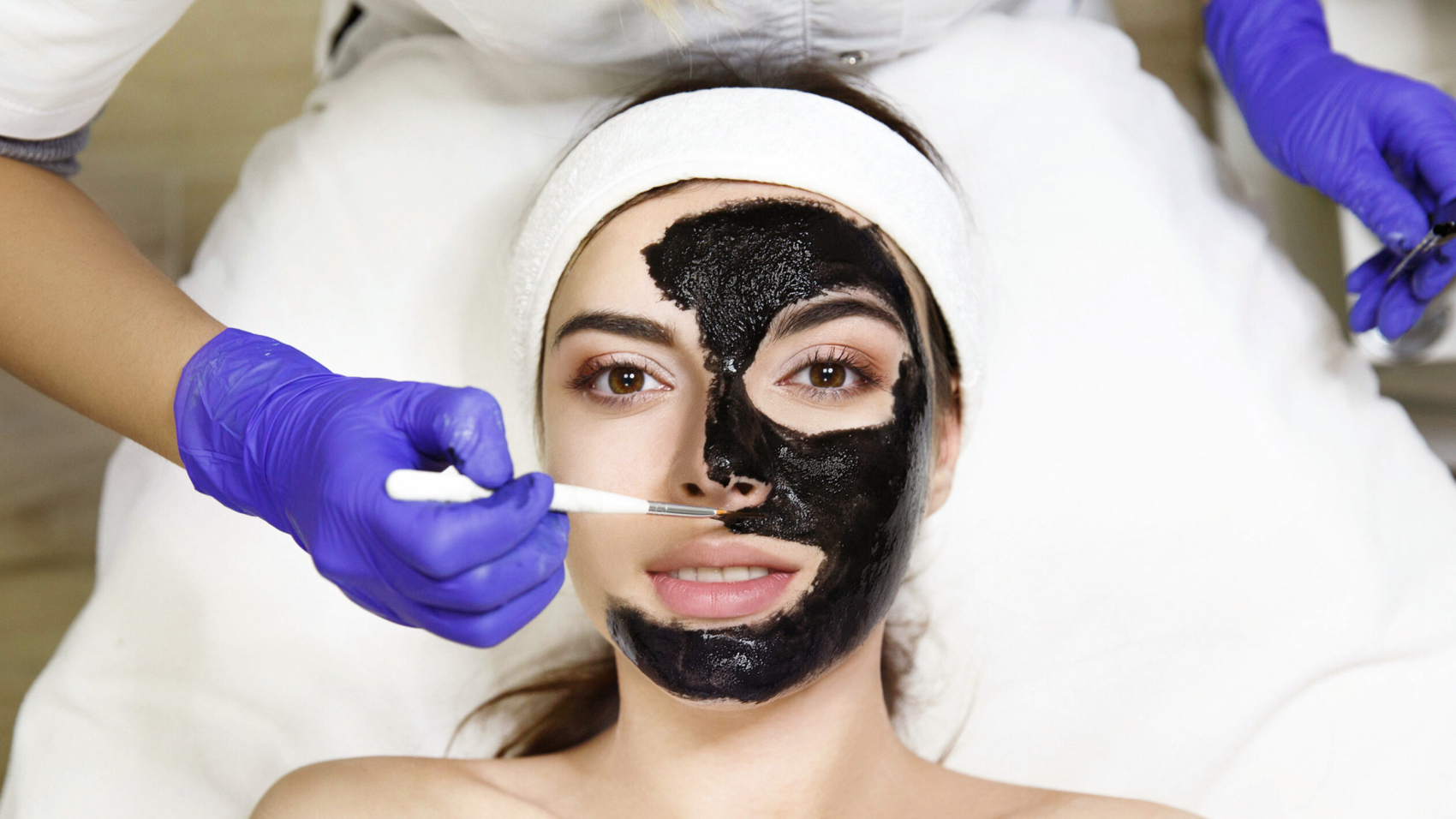
First, a thin layer of carbon lotion is applied to the skin. The carbon absorbs oil, dirt, and dead skin cells. Then, a laser targets the carbon particles, gently exfoliating the skin while stimulating collagen production. Consequently, this process helps:

  • Clear clogged pores
  • Reduce fine lines
  • Enhance skin texture

Common Uses of a Carbon Laser

A Carbon Laser addresses various skin concerns. For example:

  • Deep Skin Cleansing: Removes excess oil, dirt, and impurities.
  • Acne & Blackhead Reduction: Controls oil production and prevents breakouts.
  • Pigmentation & Uneven Skin Tone Correction: Reduces dark spots and melasma.
  • Fine Line & Wrinkle Reduction: Stimulates collagen for smoother skin.
  • Minimizing Large Pores: Tightens pores for a refined complexion.

Benefits of a Carbon Laser

This treatment offers multiple advantages. In addition:

  • Non-Invasive & Painless: Minimal discomfort with no downtime.
  • Instant Glow & Brightening: Leaves the skin radiant immediately.
  • Reduces Acne & Oiliness: Helps control sebum production.
  • Safe for Most Skin Types: Suitable for sensitive and acne-prone skin.
  • Quick & Effective: Each session lasts only 30–45 minutes.

The Carbon Laser Procedure

The procedure typically includes the following steps:

  1. Consultation: A dermatologist assesses your skin concerns and goals.
  2. Preparation: The skin is cleansed, and carbon lotion is applied.
  3. Laser Treatment: Next, the laser targets carbon particles, exfoliating the skin.
  4. Cooling & Hydration: A soothing serum or moisturizer is applied.
  5. Post-Treatment Glow: Finally, enjoy immediate radiance, with further improvement over time.

Aftercare Tips for a Carbon Laser

To maintain results and protect your skin:

  • Firstly, use a gentle cleanser and avoid harsh exfoliants for several days.
  • Additionally, apply sunscreen daily to prevent UV damage.
  • Also, keep your skin hydrated with moisturizers and serums.
  • Avoid excessive sun exposure and tanning treatments.

When to See a Dermatologist

Always consult a trained professional to perform a Carbon Laser for the best results. Moreover, Dr. Safia Bithy offers customized treatments to achieve brighter, clearer, and more youthful-looking skin.

Acne Treatment: Causes, Solutions, and Expert Care for Clear Skin

Acne Treatment: Causes, Prevention.

What is Acne?

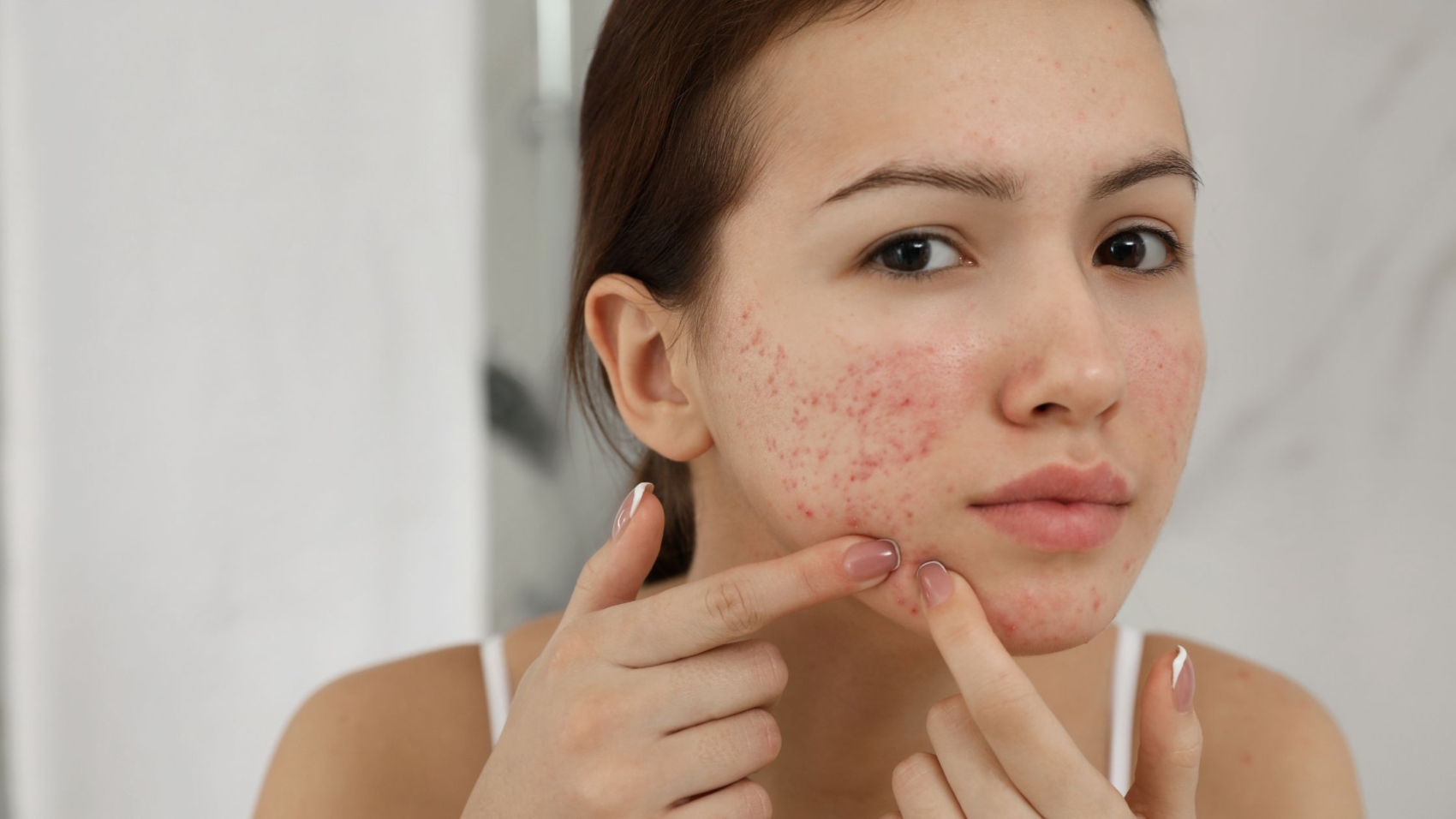
Acne Treatment starts with understanding the condition. Zits is one of the most common skin problems worldwide, affecting millions of people. It occurs when hair follicles become clogged with oil, dead skin cells, and bacteria, leading to pimples, blackheads, whiteheads, and sometimes cysts. Acne can appear on the face, back, chest, and shoulders, and although it is most common among teenagers, adults can also experience it. Effective treatment depends on identifying the type and severity of Spots and targeting the underlying causes.

Causes of Acne

Spots develops due to several interconnected factors:

  • Excess Oil Production: Overactive sebaceous glands produce too much sebum, clogging pores.
  • Clogged Pores: Dead skin cells accumulate, blocking hair follicles.
  • Bacteria: Propionibacterium acnes triggers inflammation and breakouts.
  • Hormonal Changes: Puberty, pregnancy, menstrual cycles, and hormonal imbalances can worsen acne.
  • Diet & Lifestyle: High-sugar foods, stress, and lack of sleep may contribute.
  • Cosmetic Products: Some makeup or skincare products can clog pores and aggravate acne.

Best Treatments in 2025

Choosing the right treatment requires a personalized approach:

1. Topical Treatments

Medicated creams, gels, and lotions help unclog pores, reduce bacteria, and calm inflammation. Ingredients like benzoyl peroxide, salicylic acid, and retinoids are commonly used.

2. Oral Medications

For moderate to severe zits, dermatologists may prescribe antibiotics, hormonal treatments, or isotretinoin to control bacteria, reduce inflammation, and balance hormones.

3. Dermatological Procedures

Professional treatments like chemical peels, laser therapy, microneedling, and light-based therapies can target stubborn Spots, reduce scarring, and improve skin texture.

When to See a Dermatologist

If over-the-counter products do not improve your Pimple or if it is severe, Consult a Dermatologist. Personalized acne treatment plans, like those offered by Dr. Safia Bithy, can help manage breakouts effectively, prevent scarring, and restore healthy skin.